Although some antifouling boat paints may have certain anti-corrosion functions and strong adhesion, in order to ensure the long-term stability and protection of the coating, primer is still recommended in most cases.
During the voyage, ships will encounter erosion from waves, collisions, sand and other external factors. If the coating of the antifouling boat paint is damaged, the metal materials exposed on the surface of the hull may be corroded by seawater, causing metal corrosion, rust and other problems.
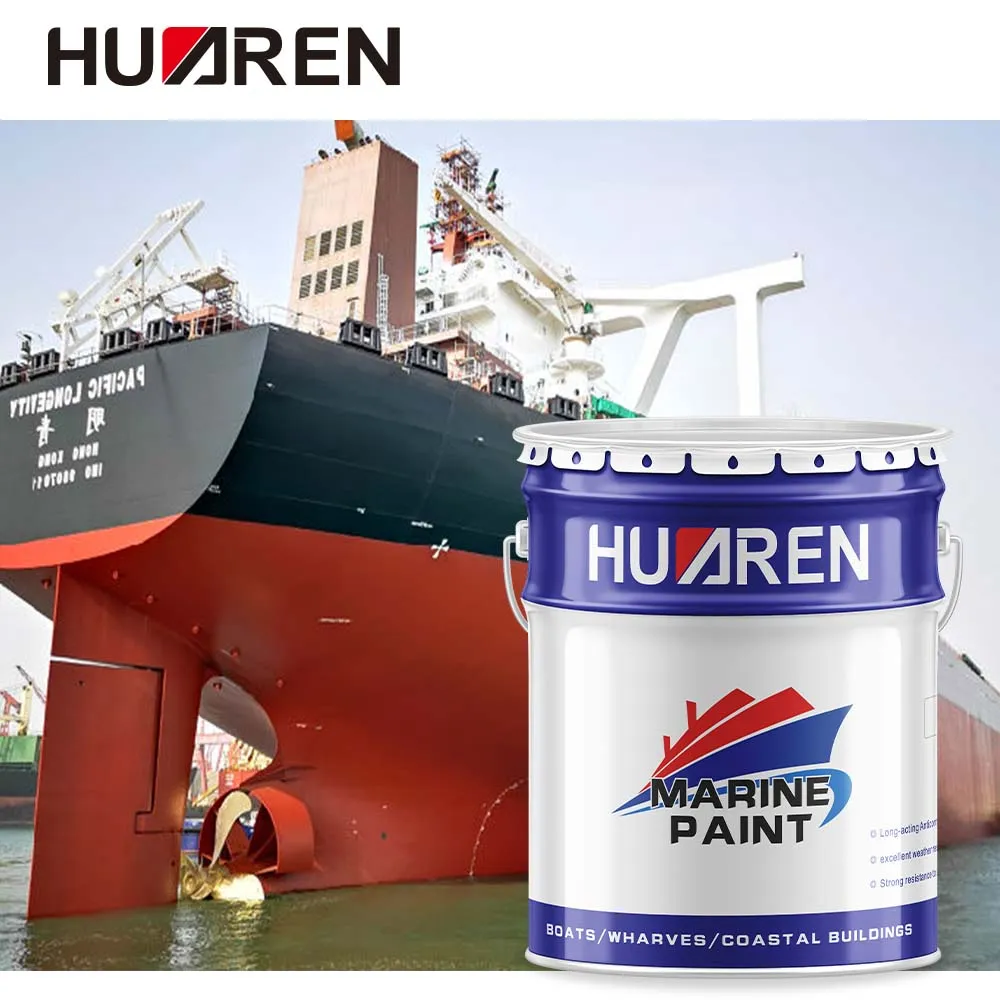
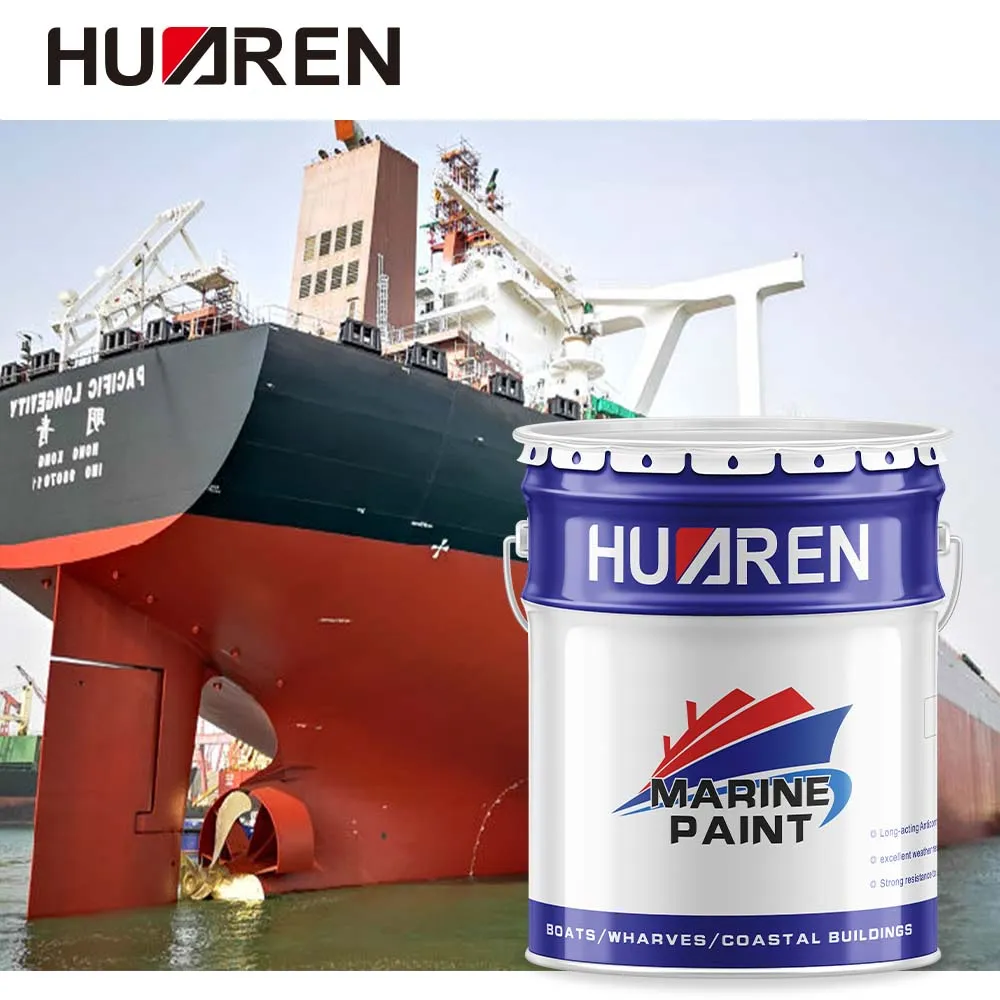
Commercial cargo ships and fishing boats: These vessels are frequently used and are often exposed to various harsh marine conditions. Depending on the actual use, it is recommended to apply at least three coats of antifouling bottom paint, and add an extra layer to key parts (such as the bow and stern) to improve durability.
Quartz sand is one of the most common anti-slip additives. It has strong hardness and wear resistance, and can significantly increase the surface roughness of the coating. Quartz sand has different particle sizes, and coarse or fine quartz sand can be selected as needed to adjust the anti-slip effect.
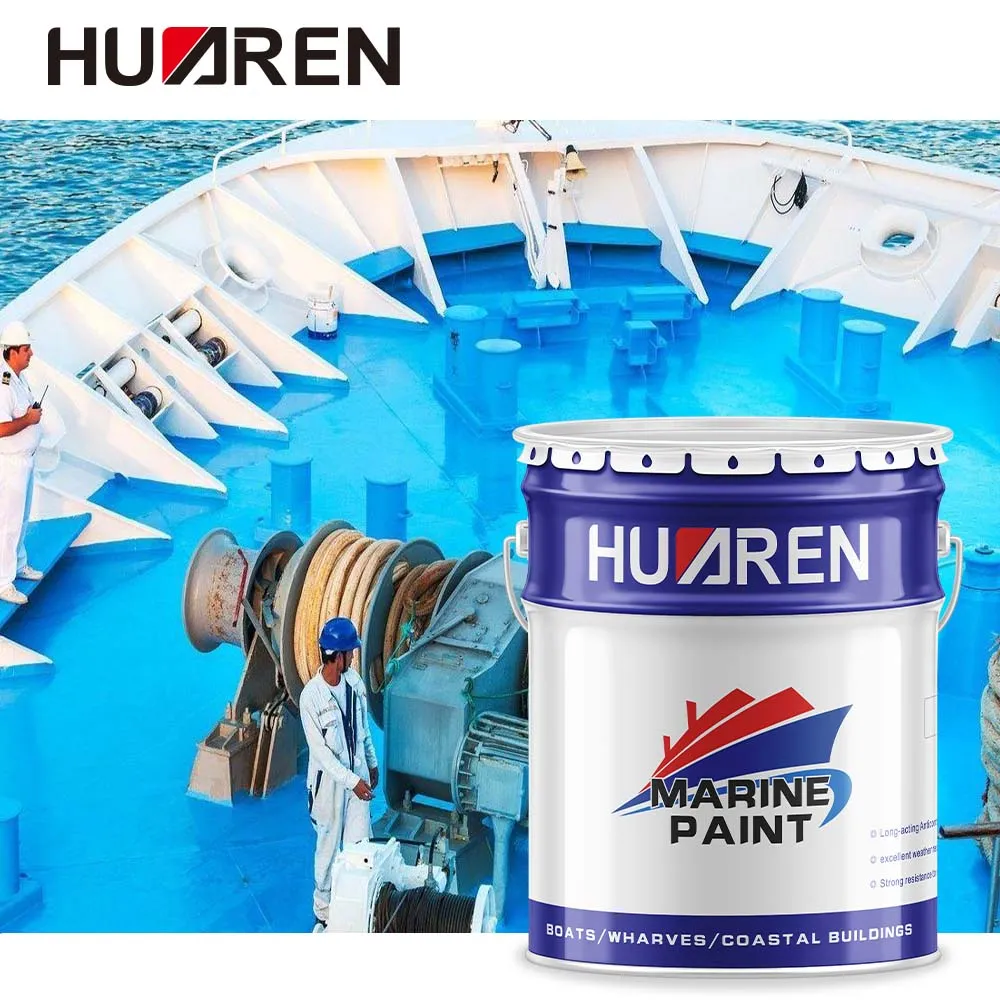
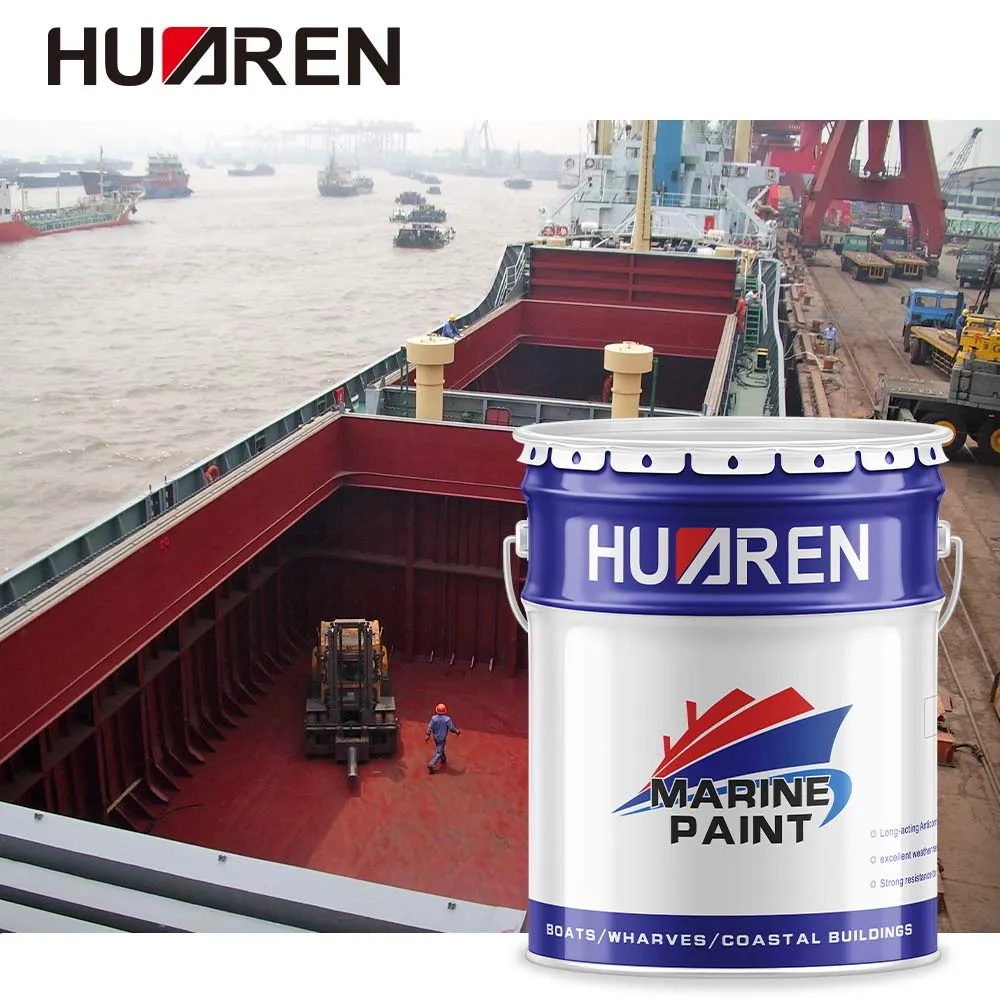
The unpolished deck surface may have oil, dust or other impurities, which will become obstacles to the adhesion of the paint. Even if high-quality paint is used, if the marine anti rust paint cannot be firmly attached to the deck surface, it is easy to fall off or bubble.
Copper ions, as the main antifouling component in marine antifouling primer, can effectively inhibit the attachment of marine organisms, but after being released into the water body, they are easily combined with organic matter and sediments, thus existing in the environment for a long time.
The main functions of anticorrosion ship bottom paint and antifouling ship bottom paint are different. One focuses on preventing metal corrosion and the other focuses on preventing biological attachment. In order to achieve the coordinated use of the two, it is first necessary to ensure their compatibility in chemical composition.
In freshwater, the aging rate of coatings may be faster due to the fluidity and temperature changes of the water body. Especially for self-polishing coatings, the wear rate of coatings will be faster in freshwater environments with faster water flow, resulting in premature attenuation of antifouling effects.
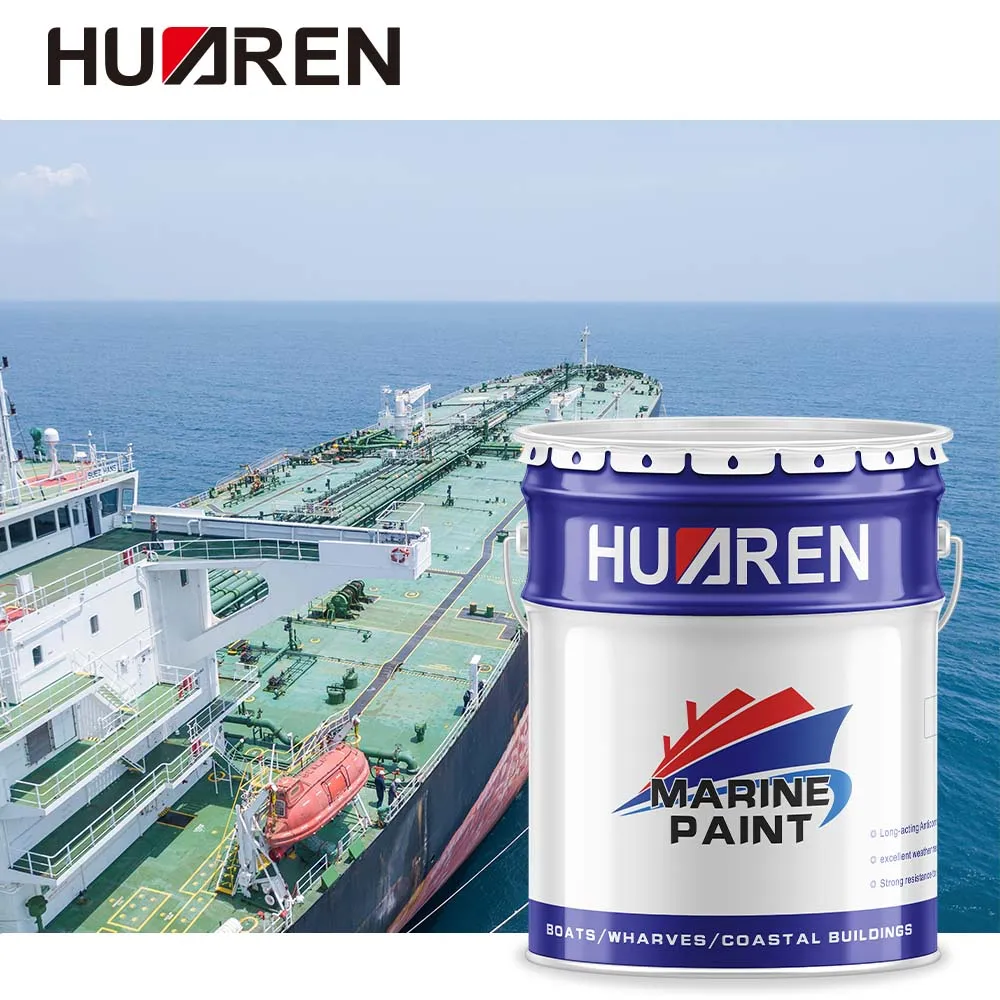
Antifouling paint is a type of paint used on the surface of ships to prevent marine organisms (such as algae, shellfish, snails, etc.) from adhering to the surface of the hull. These coatings can significantly improve the navigation performance of the hull, reduce fuel consumption, extend the life of the ship, and reduce the negative impact of ships on the environment.
Traditional paints are usually unable to effectively deal with the attachment of marine organisms, while modern antifouling paints use special formulas and technologies to prevent the attachment of organisms while maintaining the smoothness of the bottom of the ship, reducing water resistance and improving navigation efficiency.