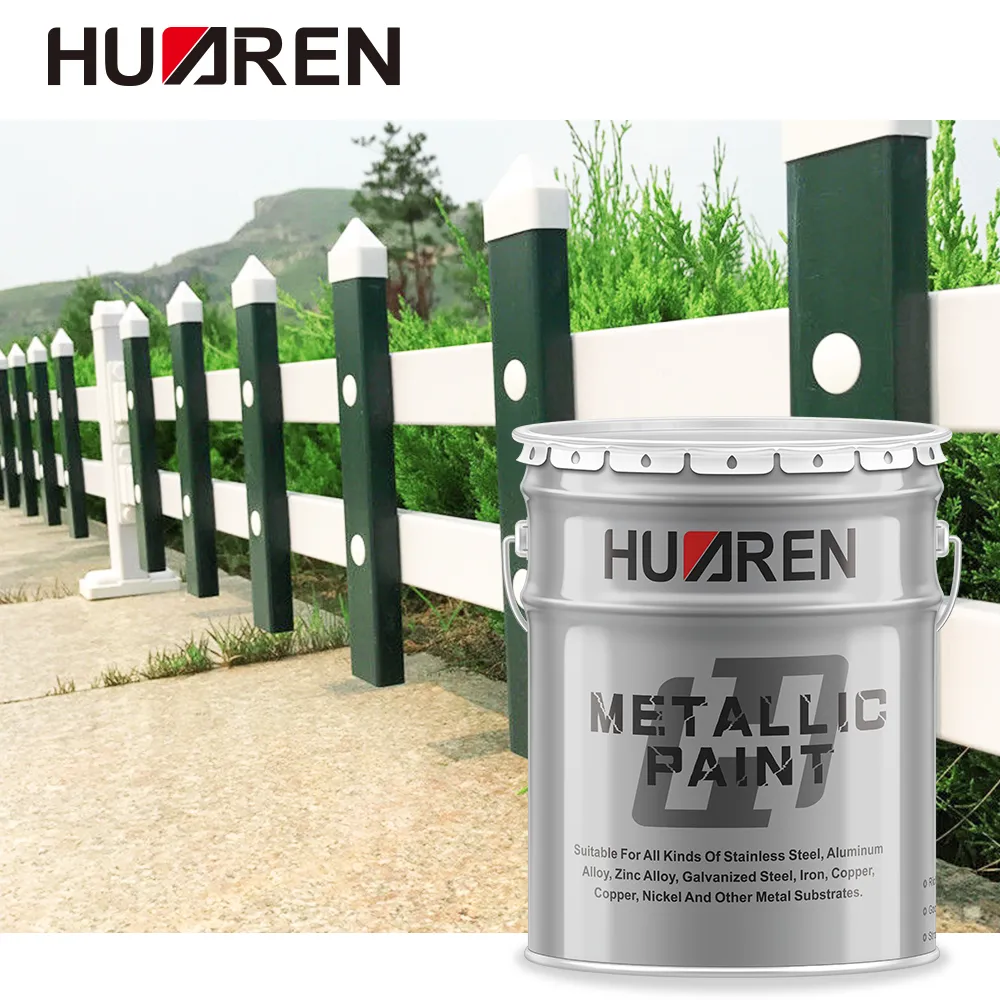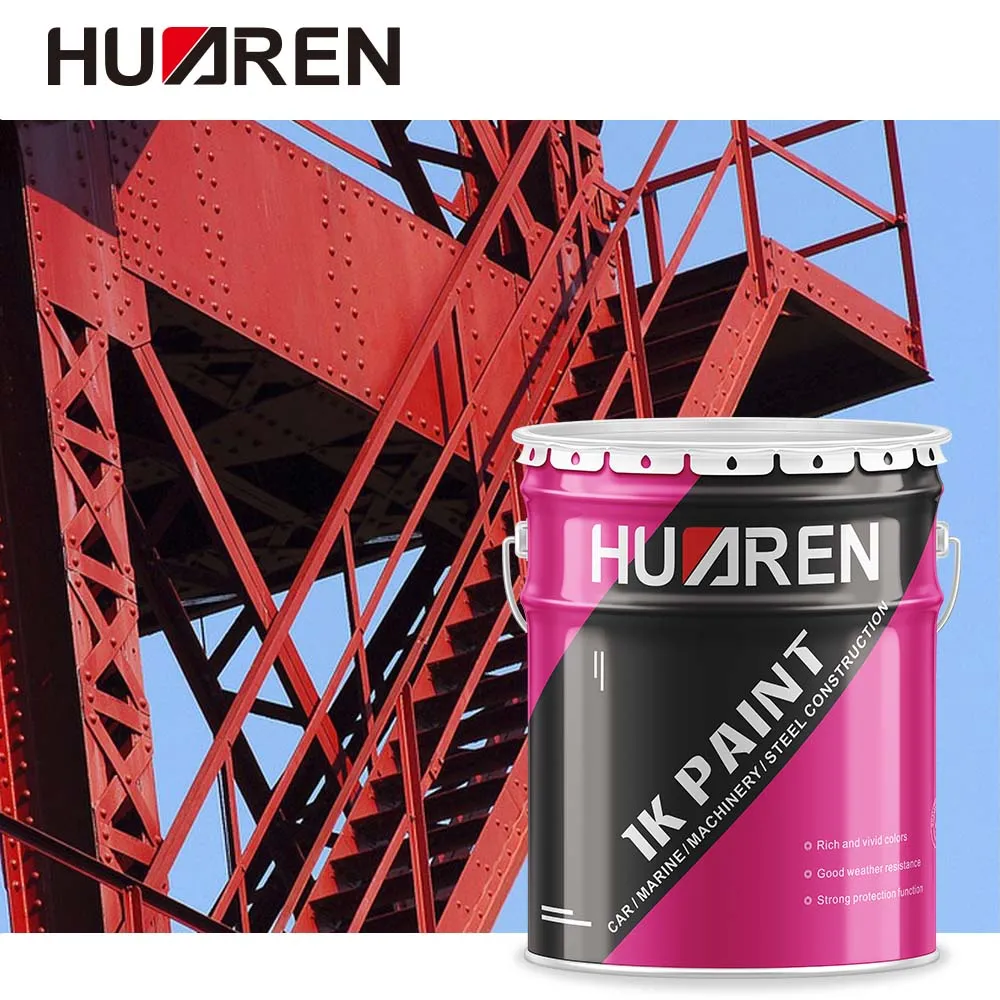
Anticorrosion primer is a coating used on metal surfaces. Its main function is to prevent metal oxidation and corrosion by forming a dense protective film to isolate air, moisture, salt and other corrosive substances from contact.
Before applying anti-rust primer, the metal surface must be thoroughly cleaned. This step includes removing rust, grease, dust and other contaminants on the surface. A clean metal surface can ensure good adhesion between the primer and the metal and enhance the anti-rust effect.
If the coating needs to be exposed to the outdoors or in direct sunlight for a long time, topcoat is essential. Topcoat usually uses a more weather-resistant coating, such as polyurethane paint or fluorocarbon paint, to protect the epoxy anticorrosion primer from UV rays factors.
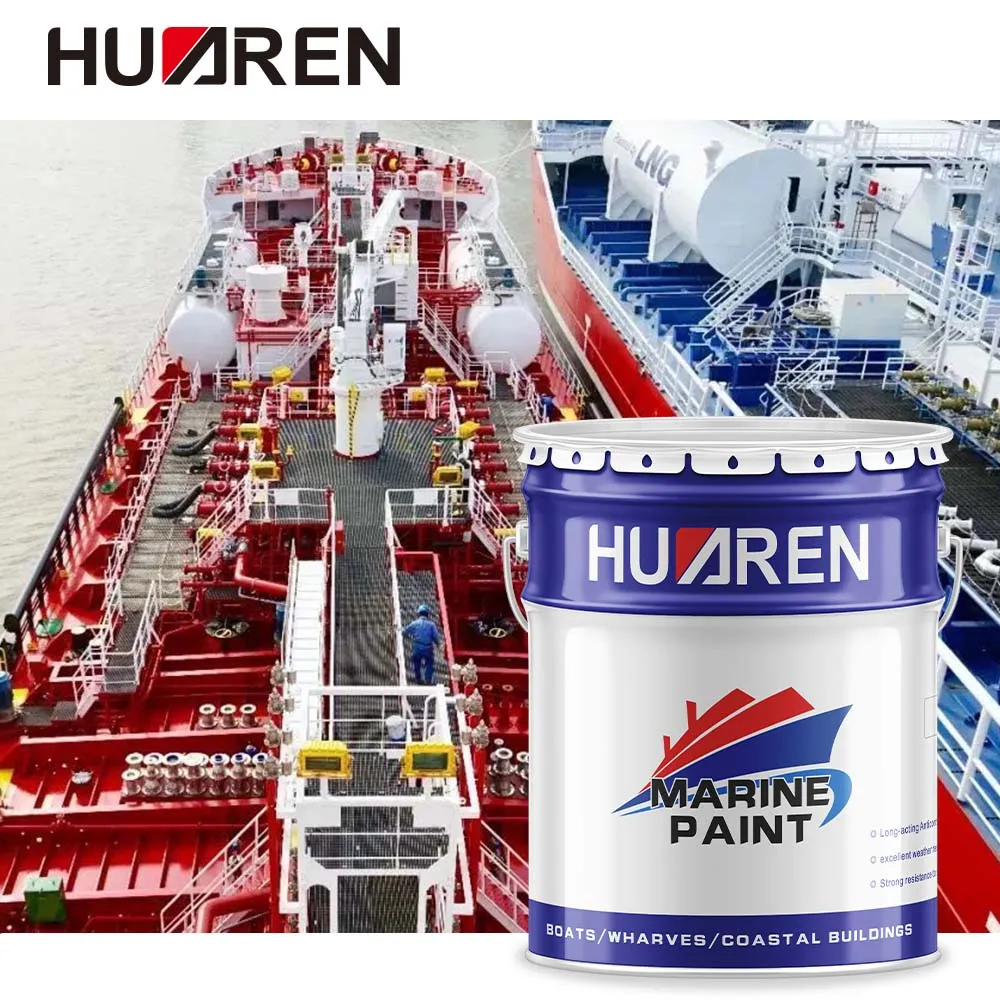
If the ship is not properly treated for antifouling, biofouling will accumulate rapidly, bringing a series of negative effects. With the increase in fuel consumption, the operating costs of the ship will increase significantly. This is undoubtedly a huge financial burden for shipping companies.
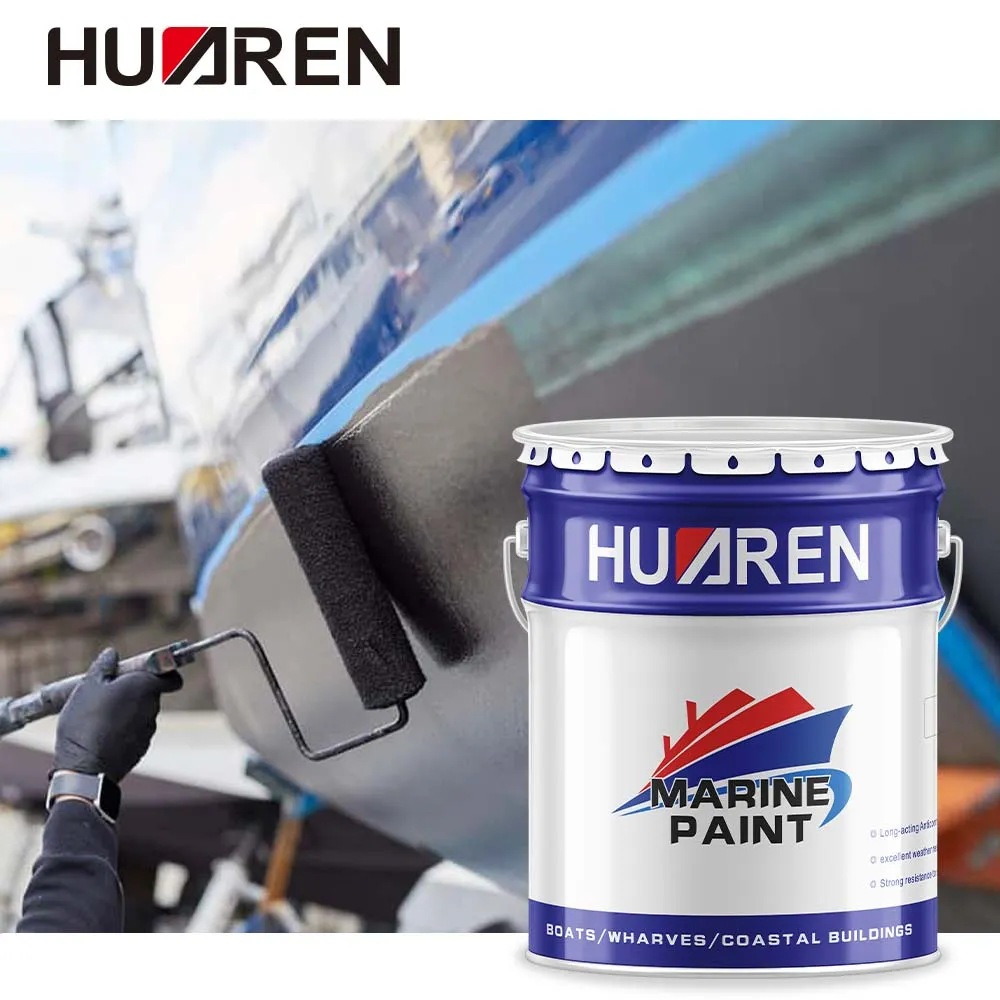
The service life of antifouling boat paint depends on many factors, including the type of antifouling paint, the quality of construction, the sailing environment and frequency of the ship, etc. Generally speaking, the service life of antifouling paint is between 2 and 5 years.
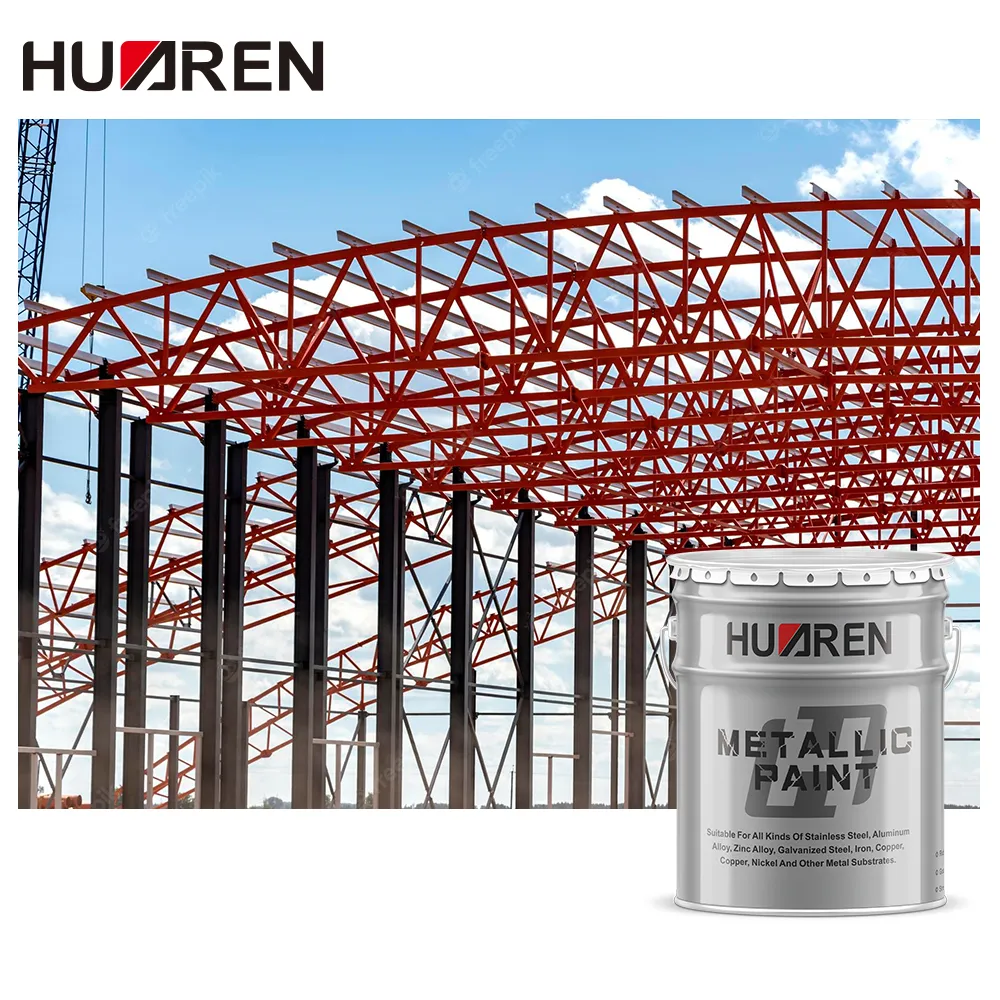
In a relatively stable indoor environment, the service life of metal protective paint can reach more than 10 years. In marine environments, due to the influence of high salinity and humidity, the service life of metal protective paint is relatively short, generally between 3 and 5 years.
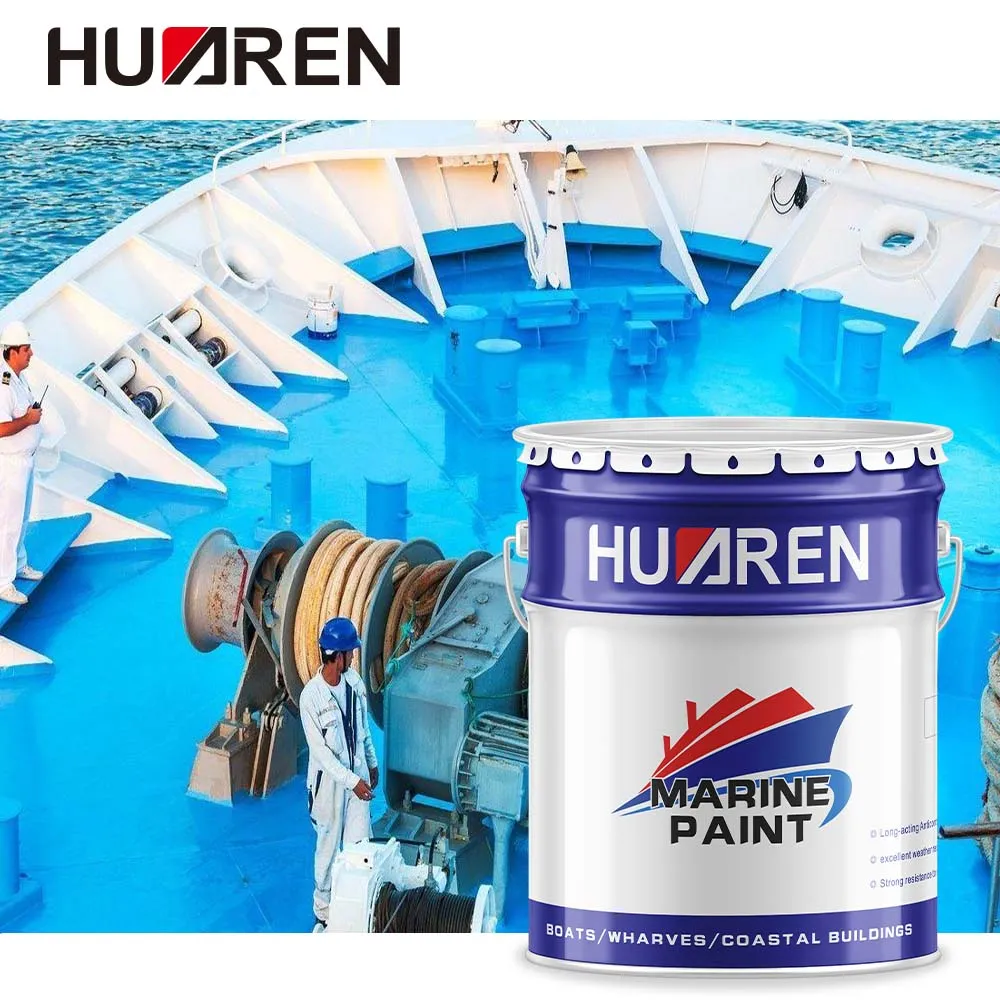
Marine paint needs to provide long-term protection in extreme marine environments, so its corrosion resistance, antifouling performance, and wear resistance are extremely high. Auto paint, on the other hand, mainly faces land environments and emphasizes weather resistance, scratch resistance..
Red antifouling paint is not only due to the color of copper oxide, but also because it has a visual warning effect. The bottom of a ship is difficult to see in the water, and red can be more conspicuous in shallow waters and dry docks, making it easier to inspect and maintain.