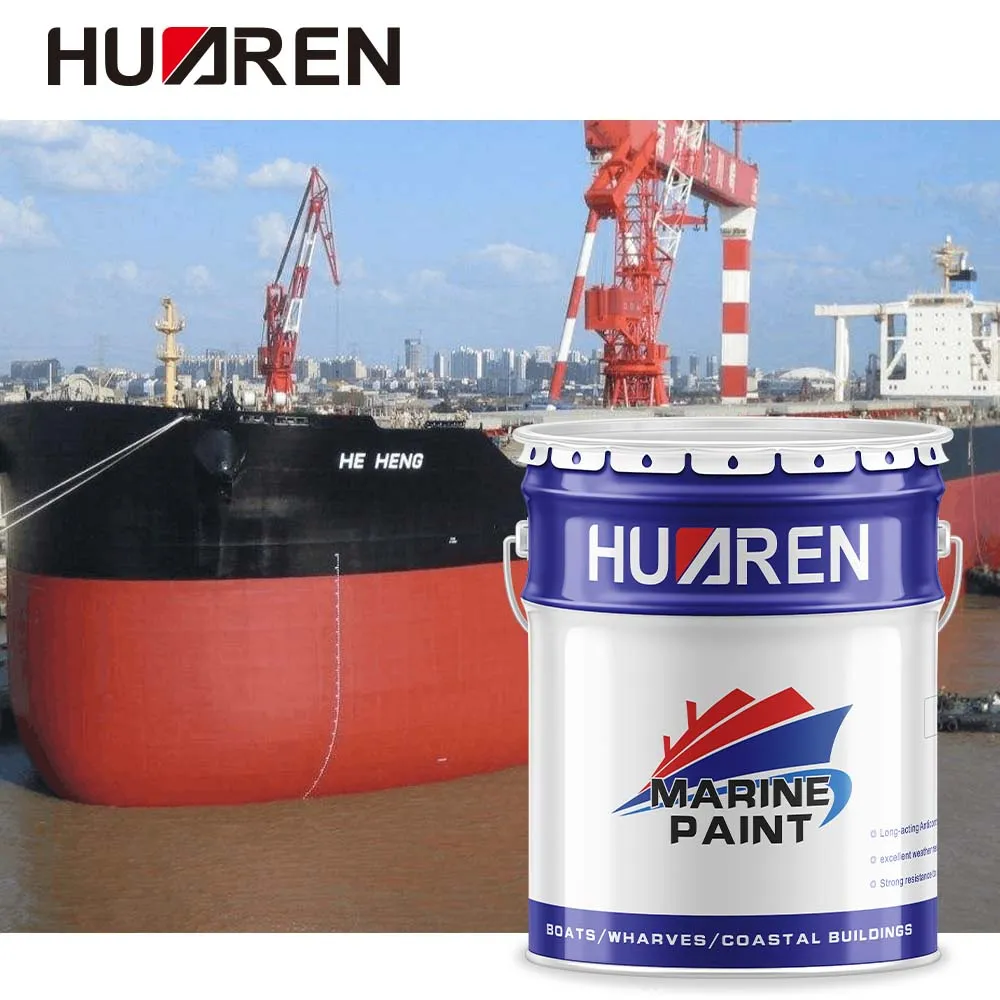
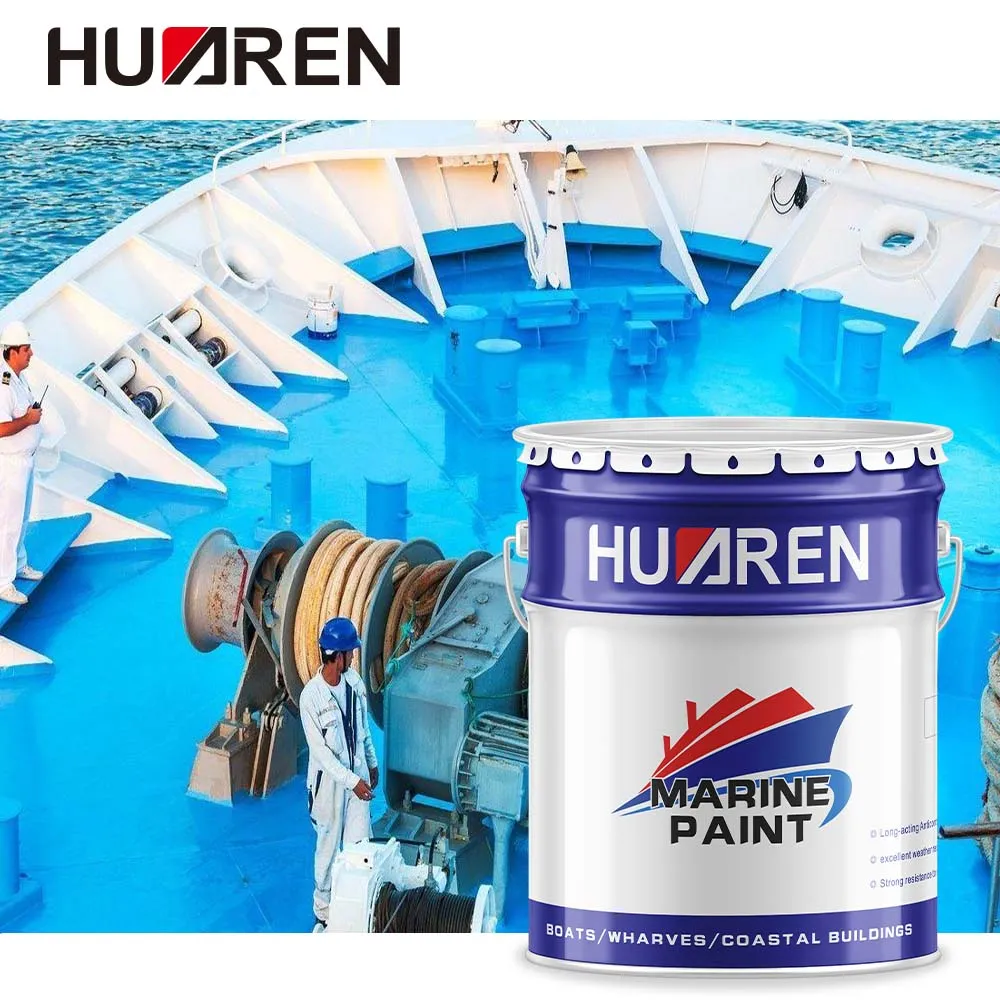
Anti-rust paint is a kind of paint specially designed to prevent rust on metal surfaces. It is widely used in various fields such as construction, automobiles, ships, machinery, etc. Rust is a common form of metal corrosion, which not only reduces the strength of the metal, but also affects its appearance and service life.
In some cases, wood grain can become a major challenge during the painting process, especially when you want to achieve a smooth, grain-free surface. The thick coating characteristics of high-strength primers give them the ability to fill wood grain, but the effect depends on the depth of the wood grain, how the primer is applied, and the application technique.
Two-component high build primer is a more common type, and its main components are primer and hardener. The usual mixing ratio is 4:1 or 5:1, that is, four or five parts of primer correspond to one part of hardener. This ratio helps the primer cure quickly and ensures a strong and smooth coating.
Generally speaking, the temperature resistance range of high temperature paint can be roughly divided into three categories: low temperature between 150°C and 250°C, medium temperature between 250°C and 600°C, and high temperature above 600°C.
High build primer, as the name suggests, is a primer with high filling capacity. This type of primer is designed for thick coating and is usually able to form a thicker coating than ordinary primers, and can even reach a thickness of hundreds of microns in one application.
● Leisure yachts: Usually used in freshwater or coastal waters, antifouling paint can effectively keep the bottom of the ship clean and improve navigation efficiency.
● Commercial ships and fishing boats: Long-term sailing at sea, antifouling paint is a necessity, which can significantly reduce maintenance costs and fuel consumption.
● Sailing and rowing boats: The speed requirement is high. Antifouling paint can reduce the resistance of the bottom of the ship and increase the speed.
If the ship is not properly treated for antifouling, biofouling will accumulate rapidly, bringing a series of negative effects. With the increase in fuel consumption, the operating costs of the ship will increase significantly. This is undoubtedly a huge financial burden for shipping companies.