News

  • Can ship paint prevent marine organisms from attaching?
    02-10/2025
    Traditional paints are usually unable to effectively deal with the attachment of marine organisms, while modern antifouling paints use special formulas and technologies to prevent the attachment of organisms while maintaining the smoothness of the bottom of the ship, reducing water resistance and improving navigation efficiency.
  • Which polyurethane paint is best for floors?
    02-07/2025
    If your focus is environmental protection and health, then water-based polyurethane paint is the best choice; if you need a durable protective layer, two-component oil-based polyurethane paint is more suitable.
  • Epoxy Paint Vs. Acrylic Paint: Which Is Stronger?
    02-06/2025
    In terms of robustness, epoxy coatings are undoubtedly superior. Its high hardness and impact resistance allow it to withstand the pressure of heavy machinery and frequent trampling without cracking or wearing out.
  • Who invented traffic paint? What are the ingredients of traffic paint?
    02-05/2025
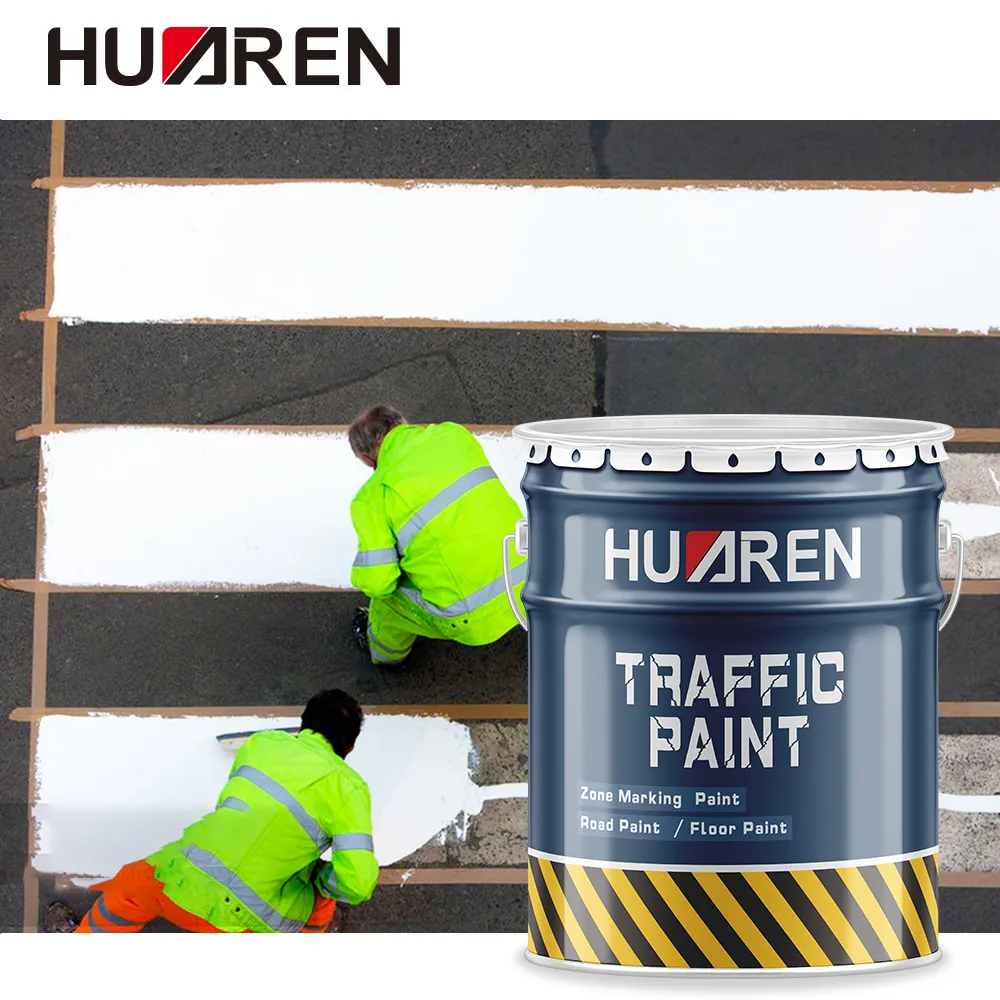
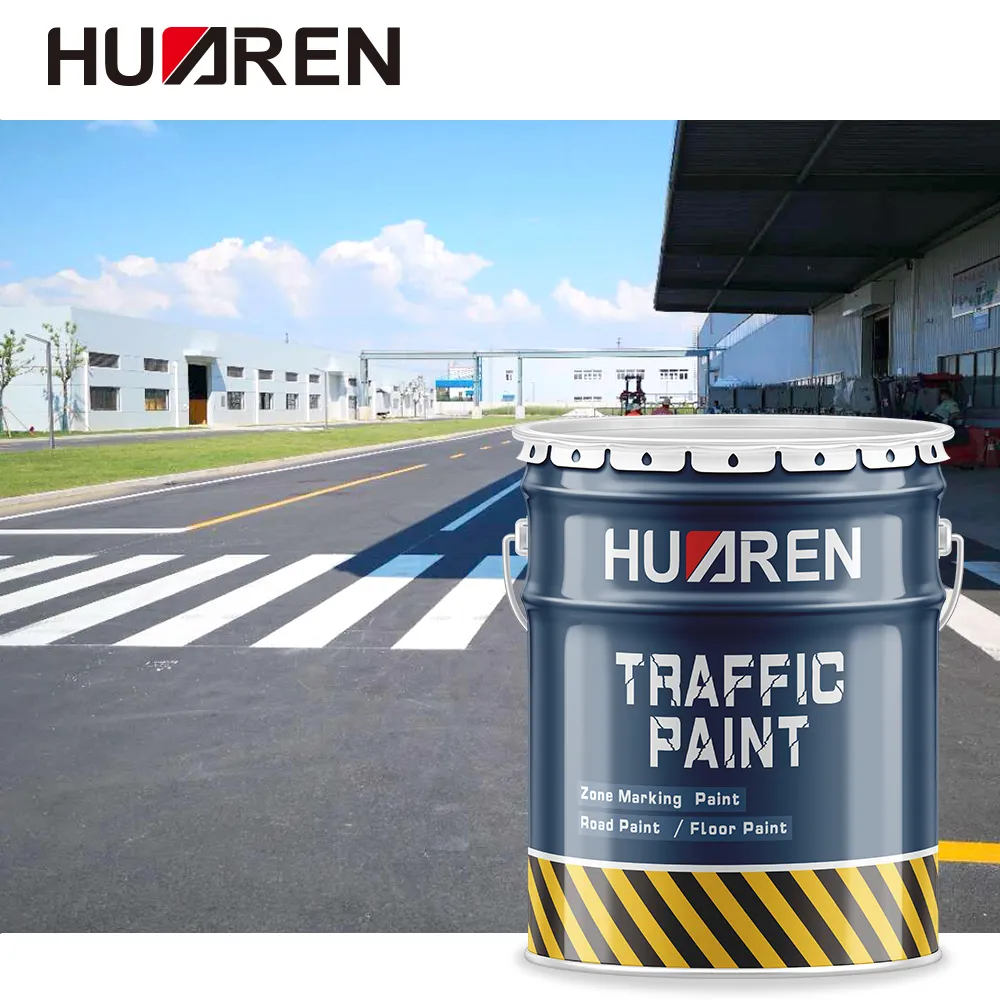
    In 1924, Lester Wire, an engineer at the New York State Department of Transportation in the United States, first used a special paint to mark road lines. This paint has higher wear resistance and reflectivity and is considered to be the prototype of modern traffic paint.
  • What are the advantages and disadvantages of epoxy floor paint?
    02-04/2025
    Advantages of epoxy floor paint: Strong wear resistance Chemical corrosion resistance Beautiful and diverse decorative effects High strength and good pressure resistance Good adhesion Disadvantages of epoxy floor paint: High requirements for construction environment Not UV-resistant Risk of warping and cracking More complicated maintenance
  • Polyurethane Primer and Epoxy Primer: How Do I Choose?
    02-03/2025
    If both anti-corrosion and wear resistance are required, polyurethane primer and epoxy primer can be used together: first apply epoxy primer as an anti-corrosion layer, and then apply polyurethane primer or topcoat to improve wear resistance and anti-aging performance.
  • Do fiberglass boats need antifouling paint?
    01-28/2025
    If the ship is docked in a port, swamp or near a marine biological breeding area for a long time, the hull may be at risk of a large number of marine organisms attaching. In this case, antifouling paint can effectively prevent the attachment of marine organisms, reduce the underwater friction of the hull, and avoid the formation of biofilms.
  • Is there any requirement for the coating thickness of water-based metallic paint?
    01-27/2025
    Depending on the coating requirements and the protection needs of the metal surface, the dry film thickness of water-based metallic paint is usually between 25-80 microns. The recommended coating thickness for most standard products is around 50 microns.
  • What is Protective Enamel Paint used for?
    01-24/2025
    Uses of protective enamel paint: ● Industrial equipment protection 1. Chemical equipment 2. Power plant equipment 3. Oil and gas equipment ● Building and infrastructure protection 1. Steel structure building 2. Municipal facilities ● Household and daily necessities protection 1. Home appliances 2. Interior decoration ● Transportation protection 1. Cars and motorcycles 2. Ships and water vehicles.
  • Hard Antifouling Paint vs. Self-polishing Antifouling Paint: What’s the Difference?
    01-23/2025
    Self-polishing antifouling paint is a special coating that gradually polishes and releases antifouling active substances through chemical reactions with seawater, thereby preventing the attachment of marine organisms. Unlike hard antifouling paint, self-polishing antifouling paint will gradually consume during use, keeping the surface of the hull smooth and clean.

Get the latest price? We will reply as soon as possible (within 2 hours)