


In-Depth Report: The Century-Long Evolution of Alkyd Paint — From Vegetable Oil Origins to the Bio-Based Revolution, and the Green Transformation of a Traditional Coating
In 1927, the first industrialized alkyd resin was developed at General Electric in the United States. Using vegetable oils and polyols as key raw materials, this synthetic pathway marked a major shift in the coatings industry—from natural resins to synthetic resins.
Nearly a century later, alkyd coatings remain one of the most widely used coating systems in the world. However, with the rapid rise of high-performance resins such as epoxy and polyurethane, and with environmental regulations becoming increasingly strict, an important question emerges:How much territory does this century-old “veteran” still hold today?
一、 Market Data: The Underestimated “Evergreen”
In the global industrial coatings landscape, alkyd paints are often regarded as “traditional products.” However, their market size remains significant and should not be overlooked.
According to the Global Alkyd Paint Market Research Report released by Bizwit Research & Consulting:
1.The global alkyd paint market reached RMB 39.451 billion in 2025, while the Chinese market accounted for RMB 13.571 billion.
2.By 2032, the global market is expected to grow to RMB 64.335 billion, with a compound annual growth rate (CAGR) of 7.24%.
3.In terms of product type, solvent-based alkyd paints still dominate the market, although water-based alkyd coatings are experiencing faster growth.
4.From an application perspective, the building and construction sector accounts for more than 50% of total demand, followed by automotive and transportation, marine, and oil & gas industries.
“Many people think alkyd paints are already outdated, but the data tells a different story,” said James Crawford, an analyst at Monckton Research.
“Its market share is still substantial—the role is simply evolving, shifting from a general-purpose coating to a cost-effective solution for specific applications.”
The trend is even more evident in China. Data from Baidu Baike shows that by 2025, China’s alkyd coatings market reached RMB 6.8 billion, with eco-friendly products accounting for about 30% of the market, and a CAGR of around 7%.
二、Technological Origins: The “Genetic Profile” of Alkyd Paint
Alkyd resin is a thermosetting resin synthesized through a polycondensation reaction using polyols, polyacids, and vegetable oils (or their fatty acids) as raw materials. Its molecular backbone contains ester linkages, while the side chains carry unsaturated fatty acid groups.
This molecular structure determines many of its inherent properties.
2.1 Core Advantages
1.Renewable Raw Materials:
In alkyd resins, renewable resources such as vegetable oils can account for 60–70% of the formulation, giving them a natural sustainability advantage that many other synthetic resins cannot match.
2.Excellent Wettability:
Alkyd resins provide strong pigment wetting and dispersion, resulting in full, smooth paint films and outstanding decorative performance.
3.High Application Tolerance:
As a single-component system, alkyd coatings are ready to use once opened and generally require less stringent surface preparation, making them easy to apply.
4.Outstanding Cost-Effectiveness:
The raw material cost is lower than that of epoxy and polyurethane coatings, making alkyd paints a preferred option for economical protective coatings.
5.Good Weather Resistance:
For outdoor applications, alkyd coatings offer better gloss and color retention than epoxy coatings, second only to acrylic coatings.
2.2 Inherent Limitations
The “weak points” of alkyd coatings also stem from their molecular structure:
1.Hydrolysis of Ester Bonds:
The ester linkages in the alkyd resin molecular chain are prone to hydrolysis in alkaline or humid environments, resulting in lower water and chemical resistance compared with epoxy coatings.
2.Slow Drying Speed:
Alkyd coatings cure through oxidative polymerization, which relies on oxygen in the air. The full drying time typically ranges from 8 to 24 hours, significantly slower than two-component coating systems.
3.Poor Alkali Resistance:
Alkyd resins can undergo saponification and degradation when exposed to alkaline conditions, making them unsuitable for alkaline substrates or chemical environments.
4.Limited Hardness Development:
Even after full curing, the hardness of alkyd coatings is generally lower than that of epoxy or polyurethane coatings
5.Environmental Pressure:
Traditional solvent-based alkyd paints contain relatively high VOC levels, placing them under increasingly strict environmental regulations worldwide.
“Alkyd paint is like an old aristocrat from a distinguished family,” said Wang Minghua, a senior researcher at the Huarun Technical Center.“It has a noble background (renewable raw materials) and refined manners (high application tolerance), but it’s somewhat fragile (limited water and chemical resistance) and slow-moving (long drying time). Modern industry expects it to retain its heritage while reinventing itself.”
三、 Industry Challenges: The Three “Critical Tests” for Traditional Alkyd Coatings
3.1 Challenge One: The Bottleneck of Drying Speed
The drying mechanism of traditional alkyd coatings relies on oxidative polymerization: after solvent evaporation, the unsaturated fatty acid double bonds react with oxygen under the catalysis of driers such as cobalt and manganese, forming a cross-linked structure. This mechanism inherently limits the drying speed.
Taking room-temperature air-dry alkyd enamel as an example:
1.Surface dry time: typically 2–4 hours
2.Through dry time: typically 18–24 hours
3.Full curing: more than 7 days
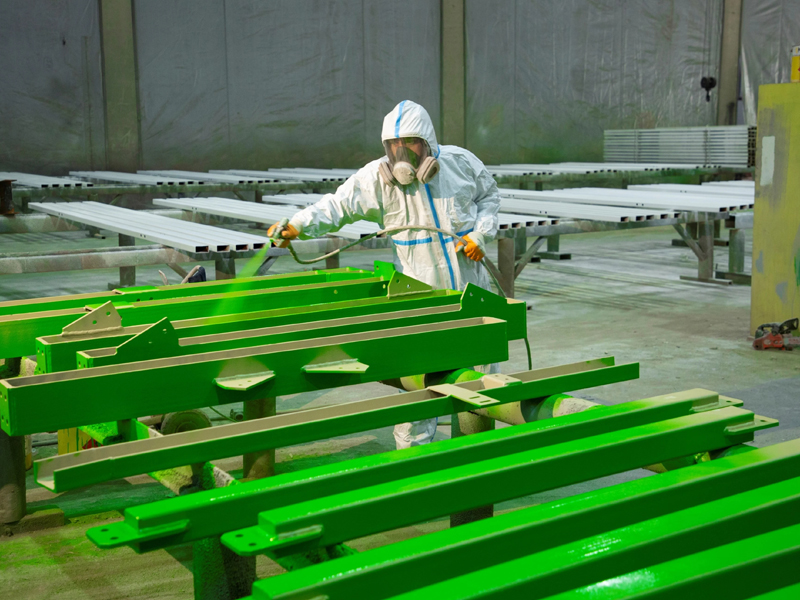
For modern industrial assembly lines, this speed is often unacceptable.A supervisor from a construction machinery coating workshop once admitted:“Our production line processes about 200 machines per day. If we used alkyd paint, the coating wouldn’t even be dry before the next batch piles up.”
3.2 Challenge Two: The “Achilles’ Heel” of Water and Chemical Resistance
The ester bonds in alkyd resins are sensitive to water molecules. Under long-term immersion or high humidity, water can attack these bonds, causing molecular chain breakage, whitening of the coating, and loss of adhesion.
Salt spray test comparison (film thickness: 80 μm):
1.Standard alkyd coating: corrosion creep along the scribe after 100–150 hours
2.Epoxy primer: 500–1000 hours of salt spray resistance
3.Polyurethane topcoat: 800–1200 hours
4.A corrosion protection project manager once recalled:
“Near chemical plants, alkyd topcoats can chalk and lose gloss in about two years. The client pointed at the whitening storage tank and asked, ‘Is this the weather resistance you promised?’”
3.3 Challenge Three: Increasing Environmental Regulations
Traditional alkyd formulations rely heavily on organic solvents, with VOC contents typically ranging from 400–550 g/L. As environmental regulations tighten, many regions have begun imposing consumption taxes on high-VOC coatings and restricting their application.
China’s updated national standard, GB 30981-2020 Industrial Protective Coatings—Limit of Harmful Substances, sets the following VOC limits:
1.Exterior wall architectural coatings: VOC ≤ 300 g/L
2.Solvent-based industrial protective coatings: VOC ≤ 420 g/L
3.Waterborne industrial coatings: VOC ≤ 250 g/L
As a result, many traditional alkyd products are approaching regulatory limits, making the transition toward waterborne systems increasingly urgent.
四、 Huarun’s Technological Breakthrough: The “Triple Evolution” of Alkyd Coatings
To address the challenges above, the R&D team at Huarun Coatings established three key technological pathways: fast-drying, modification, and waterborne transformation.
4.1 Fast-Drying Technology: From “Hours” to “Minutes”
The HR-Alkyd 1000 Series fast-drying alkyd coatings developed by Huarun tackle the drying bottleneck at the resin synthesis stage, achieving significant improvements through three approaches:
1.High Ortho-Structure Design:
By adjusting the ratio of phthalic anhydride and polyols, the molecular chain gains more rigid structural sites, accelerating the initial drying stage.
2.Composite Drier System:
A cobalt–zirconium–calcium composite drier replaces the traditional cobalt–lead–manganese system, improving oxidative crosslinking efficiency by about 40%.
3.Controlled Molecular Weight Distribution:
By optimizing the polymerization process, the resin’s molecular weight distribution is kept within a narrower range, allowing faster solvent release and improved drying speed.
Verification conditions: 25°C, 50% relative humidity.
Indicator | Conventional Alkyd Paint | Huarun HR-1100 Fast-Dry Alkyd | Improvement |
Surface Dry Time | 120 min | 25 min | Reduced by 79% |
Through Dry Time | 18 h | 4 h | Reduced by 78% |
Hardness (24 h) | HB | H | Increased by 2 grades |
Adhesion (MPa) | 3.2 | 4.8 | +50% |
“We used HR-1100 on a wind turbine tower project in Xinjiang,” said Liu Yongqiang, Technical Manager of the Northwest Region at Huarun Coatings.
“At the end of October we were rushing the schedule. With conventional alkyd paint, the workpiece could only be turned over the next day. But with HR-1100, we sprayed in the afternoon and were able to pack and ship the same evening, cutting the construction time almost in half.”
4.2 Modification Technology: Strengthening Alkyd with “External Support”
A single alkyd resin cannot solve all performance limitations. To address this, Huarun Coatings has developed a modified alkyd product matrix through three technological routes: acrylic modification, polyurethane modification, and epoxy modification.
4.2.1 Acrylic-Modified Alkyd (HR-Alkyd 2000 Series)
Using core–shell emulsion polymerization technology, the coating is designed with an acrylic resin shell and an alkyd resin core, combining the advantages of both materials:
1.Weather Resistance:
The acrylic shell layer provides UV protection, achieving over 85% gloss retention after 3,000 hours of QUV accelerated weathering
2.Drying Speed:
Surface dry: 20 minutes,Through dry: 3 hours
3.Water Resistance:
No whitening after 240 hours of water immersion.
“Acrylic modification is like putting sunscreen on alkyd coatings,” explained Li Haiyan, an R&D engineer at Huarun Coatings.
“The core still delivers the fullness and pigment wettability of alkyd, while the acrylic shell blocks UV radiation and moisture.”
4.2.2 Polyurethane-Modified Alkyd (HR-Alkyd 3000 Series)
By introducing isocyanates that react with the hydroxyl groups of alkyd resins, urethane bonds are formed, significantly improving mechanical performance:
1.Pencil Hardness: 2H (conventional alkyd: HB)
2.Abrasion Resistance: Taber index reduced by 60%
3.Chemical Resistance: No abnormalities after 24 hours exposure to 10% NaOH
4.2.3 Epoxy Ester–Modified Alkyd (HR-Alkyd 4000 Series)
Epoxy resin reacts with vegetable oil fatty acids to form epoxy esters, which are then copolymerized with alkyd resins:
1.Adhesion: > 8 MPa on steel substrates
2.Salt Spray Resistance: 600 hours (conventional alkyd: 150 hours)
3.Typical Application: Steel structure primers, replacing epoxy coatings in certain applications
4.3 Waterborne Technology: From “Oil-Based Genes” to a Waterborne Breakthrough
The biggest challenges for waterborne alkyd coatings are:Ester bonds are susceptible to hydrolysis in water, leading to poor storage stability.Waterborne systems typically dry slower than solvent-based coatings.
The HR-Alkyd 5000 Series waterborne alkyd coatings developed by Huarun Coatings address these issues through three key technological breakthroughs.
Technological Breakthrough 1: Self-Emulsifying Resin Design
1.Hydrophilic groups (such as carboxyl groups and polyethylene glycol segments) are introduced into the alkyd molecular chain, eliminating the need for external emulsifiers.
2.Result: Controlled emulsion particle size with storage stability exceeding 12 months.
Technological Breakthrough 2: Composite Crosslinking Technology
1.Self-crosslinking monomers (such as ketone hydrazide groups) are introduced, enabling crosslinking reactions during film formation.
2.Result: Water resistance improved from whitening after 48 hours to no abnormalities after 240 hours.
Technological Breakthrough 3: High Solid Content + Waterborne Hybrid System
1.Solid content increased to over 55%, reducing the proportion of water in the formulation.
2.Result: Drying speed approaches solvent-based coatings, with surface dry in 30 minutes and through dry in 6 hours.
Verification Data:
Indicator | Commercial Waterborne Alkyd | Huarun HR-5100 Waterborne Alkyd |
Solid Content | 40–45% | 55% |
Surface Dry Time | 60 min | 30 min |
Through Dry Time | 12 h | 6 h |
Initial Water Resistance (24 h) | Slight whitening | No abnormalities |
VOC Content | 150–200 g/L | <80 g/L |
Storage Stability (50°C) | Thickened after 1 month | No change after 3 months |
Application Case: On a coating line for construction machinery components, the original solvent-based alkyd paint exceeded VOC emission limits. After switching to Huarun HR-5100 waterborne alkyd, the results were:
1.Spray process compatible – no modifications required for the production line
2.VOC emissions reduced by 82%
3.Coating gloss (60°): 92%, meeting appearance requirements
4.Salt spray resistance: passed 400 hours
五、Bio-Based Revolution: Awakening the “Green Gene” of Alkyd Coatings
The key distinction of alkyd coatings from other synthetic resins lies in the renewable nature of their raw materials. In recent years, bio-based alkyds have become a hot topic in the industry.
5.1 Bio-Based Raw Material Substitution Pathways
1.Vegetable Oil Replacement:
Traditional oils such as soybean oil, linseed oil, tung oil, and dehydrated castor oil continue to be optimized as renewable feedstocks.
2.Recycled Oils:
Waste cooking oil and paper industry by-products (tall oil) can be refined and used for resin 3.synthesis.:Polysaccharide-Based Polyols
Starch- and cellulose-derived polyols can replace part of petroleum-based polyols, achieving bio-based carbon content up to 65%.
“Alkyd resins are inherently the ancestors of bio-based coatings,” said Xu Jianping, CTO of Huarun Coatings.“The task now isn’t to go from zero to one, but from one to 100—increase the bio-based content while reducing the carbon footprint.”
5.2 Huarun Bio-Based Alkyd Technology
The HR-Alkyd 7000 Series bio-based alkyd resins feature:
1.Bio-based carbon content: 42% (tested by ASTM D6866)
2.Raw material composition: primarily soybean and tall oil fatty acids, partially replacing petroleum-based phthalic anhydride
3.Performance parity: adhesion, hardness, and salt spray resistance comparable to petroleum-based products
4.Carbon footprint reduction: 37% lower than petroleum-based products (based on LCA analysis)
Verification Data:
Indicator | Petroleum-Based Alkyd | Huarun HR-7100 Bio-Based Alkyd |
Bio-Based Carbon Content | 0% | 42% |
Adhesion (MPa) | 4.2 | 4.5 |
Pencil Hardness | HB | HB |
Salt Spray Resistance (h) | 150 | 180 |
Carbon Footprint per Ton of Product (kg CO₂) | Baseline | -37% |
“Clients are usually most concerned that bio-based products may compromise performance,” said Xu Jianping, CTO of Huarun Coatings.“But we have the data to prove that with 42% bio-based content, the performance is fully on par with petroleum-based products. This is the true green revolution—environmental protection without compromise.”
六、 Selection Logic: Which Alkyd to Choose for Different Scenarios
Based on Huarun Coatings’s experience in over 500 projects worldwide, the following selection framework is recommended:
Application Scenario | Recommended System | Key Considerations |
General steel structure workshops | Conventional solvent-based alkyd | Cost-priority, indoor environment |
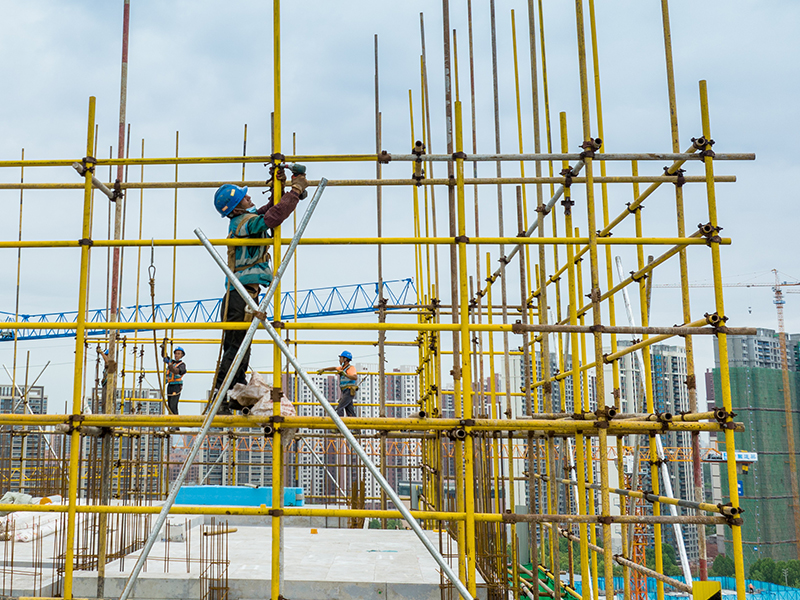
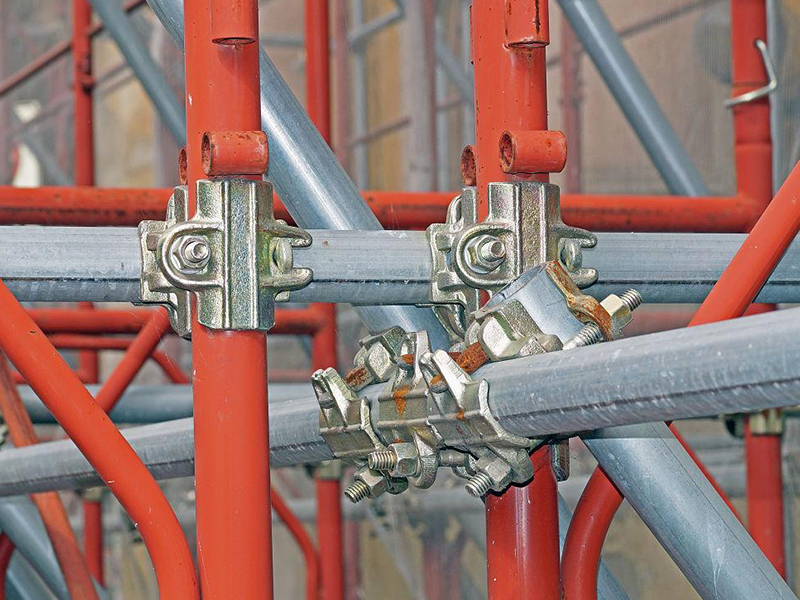
Outdoor steel structures (non-coastal) | Acrylic-modified alkyd | Enhanced weather resistance |
Construction machinery topcoat (assembly line) | Fast-dry alkyd | Drying speed matched to production line |
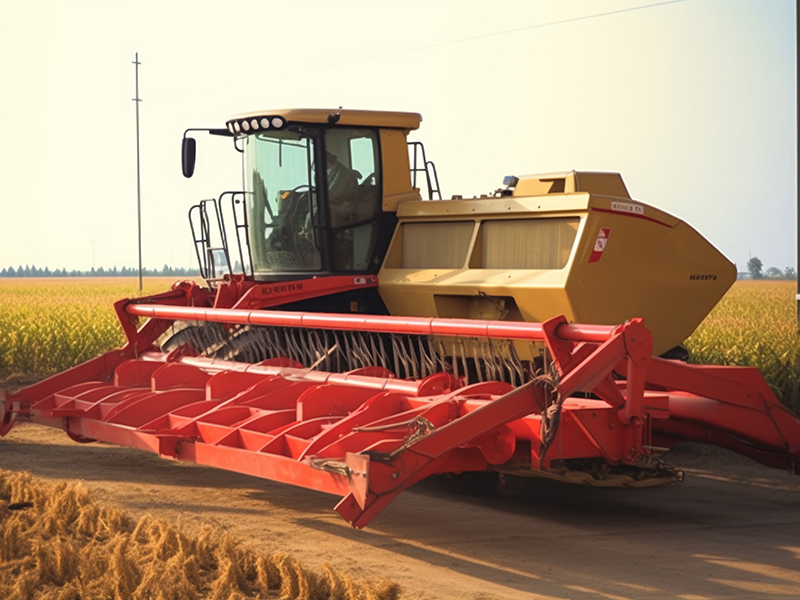
Agricultural machinery, trailers | Fast-dry + acrylic-modified alkyd | Balance of efficiency and appearance |
Automotive repair primer | Epoxy-ester modified alkyd | Adhesion priority |
Wood furniture (environmental requirements) | Waterborne alkyd | VOC restrictions |
Rail transit interiors | Waterborne alkyd (flame-retardant grade) | Environmental + fire safety |
Immersed/high-humidity environments | Alkyd not recommended | Use epoxy |
Harsh chemical environments | Alkyd not recommended | Use epoxy or polyurethane |
“When choosing an alkyd coating, ask three questions first,” summarized Wang Haidong, Industrial Coatings Product Manager at Huarun Coatings.“First, will it be exposed to water long-term? Second, is there a production line timing requirement? Third, are there VOC restrictions? Once you’ve answered these three questions, it’s clear which path to take.”
七、 Sustainability: The Green Mission of Century-Old Alkyd Coatings
Alkyd coatings have inherent advantages and latent potential for sustainable development.
7.1 Carbon Reduction from Bio-Based Raw Materials
A life cycle assessment (LCA) conducted jointly by Huarun Coatings and TÜV Rheinland shows the following for 100 tons of alkyd paint:
1.Petroleum-based alkyd: carbon footprint ~ 42 tons CO₂
2.Huarun HR-7100 bio-based alkyd (42% bio-based content): ~ 26.5 tons CO₂
3.Reduction: 15.5 tons CO₂, equivalent to planting 820 trees
7.2 Emission Reduction via Waterborne Technology
1.For 10,000 m² of steel structure coating:
2.Solvent-based alkyd: VOC emissions ~ 550 kg
3.Huarun waterborne alkyd: VOC emissions ~ 80 kg (85% reduction)
7.3 Cobalt-Free Drier System
Traditional alkyd coatings rely on cobalt driers, which are strategic scarce resources and potentially toxic. Huarun, in collaboration with suppliers, has developed a cobalt-free composite drier system:
1.Cobalt replaced with manganese, zirconium, calcium, etc.
2.Drying efficiency equal to or better than cobalt-based systems
3.Pre-registered under EU REACH regulations
“Alkyd coatings are the most promising candidates for achieving carbon neutrality in the coatings family,” said Chen Lixin, Sustainability Officer at Huarun Coatings.“Because they carry the ‘bloodline’ of vegetable oils, our task is to fully realize this green gene.”
Huarun’s Suzhou alkyd resin production line has achieved:
1.100% renewable electricity coverage
2.Waste oil recycling system
3.Wastewater COD treated to <50 mg/L and reused
八、 Conclusion: A Century-Old Alkyd, Reborn for the Future
The century-long evolution of alkyd coatings tells a story from “gifts of nature” to “industrial synthesis” and finally to “green return.”
First generation: Vegetable oil + natural resins, starting the industrialization journey
Second generation: Fully synthetic alkyd resins, with comprehensive performance improvement
Third generation: Modified alkyds, addressing weaknesses and expanding application scenarios
Fourth generation: Waterborne + bio-based, responding to modern environmental demands
Huarun’s approach is clear: neither idolize alkyd nor abandon it. Its renewable raw materials are a gift, and its water and chemical resistance is a limitation. Our mission is to compensate for weaknesses through modification, meet environmental requirements with waterborne systems, and realize true sustainability with bio-based content.
When a piece of agricultural machinery still shines in color after ten years of field use, when a subway car passes the most stringent fire tests, or when a steel-structure workshop stands silently in an industrial zone—the alkyd coatings on their surfaces are silently proving that this century-old veteran has completed its evolution.
Huarun Technical Center
Technical Consultation: sales09@gd-huaren.net
