


[In-Depth Report] The Persistence and Transformation of Chlorinated Rubber Coatings: From Traditional Corrosion Protection to Modern Environmental Compliance, and the Survival Path of Single-Component Systems
In the 1930s, Germany pioneered the chlorination modification of rubber, giving rise to chlorinated rubber resins. By the 1980s, chlorinated rubber coatings and ambient-cure epoxy coatings were regarded as the two leading systems for corrosion protection worldwide. Forty years later, as two-component systems like epoxy and polyurethane dominate the high-end market, and carbon tetrachloride faces international restrictions, how can this once-“king of corrosion protection” evolve and reinvent itself?
一、 Market Data: The “Core Base” of Chlorinated Rubber
Chlorinated rubber coatings are among the most mature and widely applied single-component anti-corrosion coatings.
According to the “2025–2031 Global & China Chlorinated Rubber Topcoat Industry Analysis and Market Forecast Report” by Market Research Network:
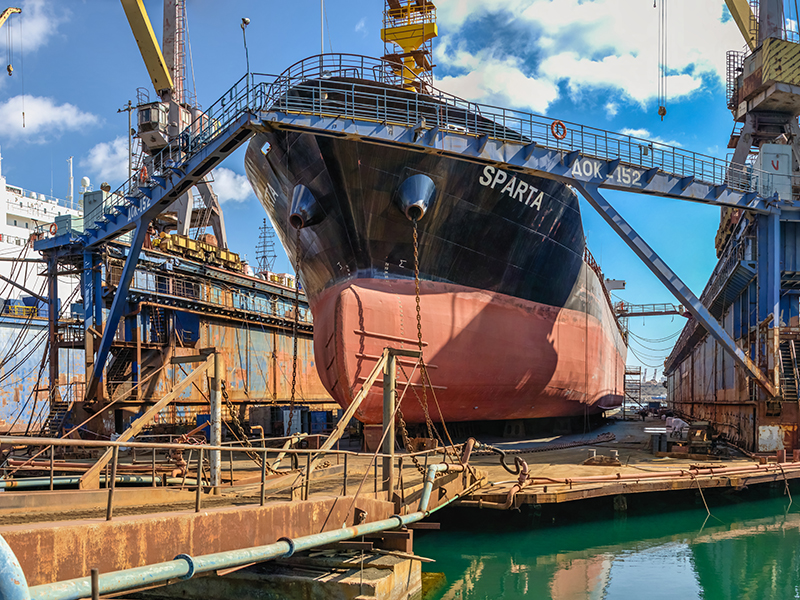
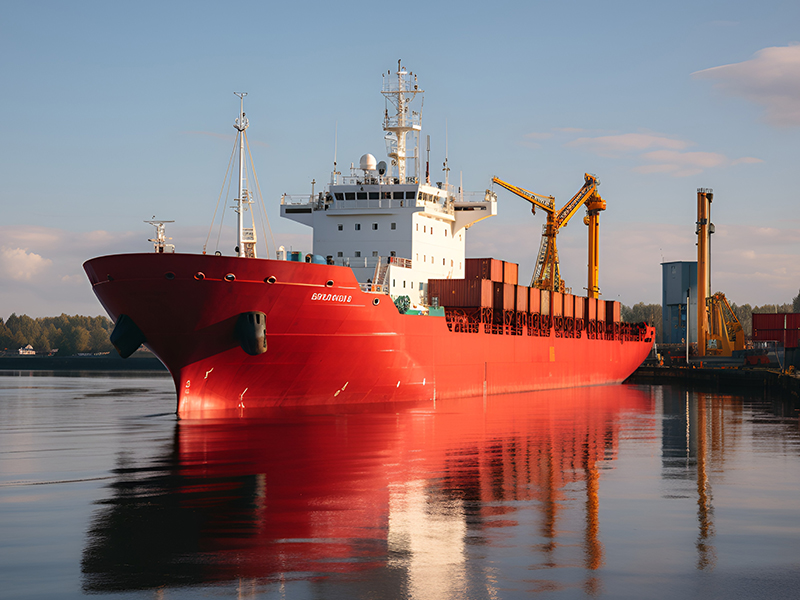
1. Chlorinated rubber coatings maintain stable demand in traditional sectors such as ships, ports, and bridges
2. The Asia-Pacific region is the largest global consumer, with China in a leading position.
3.As environmental regulations tighten, non-carbon-tetrachloride solvent methods and waterborne production technologies have fully replaced traditional processes.
4.Eco-friendly products, such as waterborne chlorinated rubber and high-solid chlorinated rubber, are experiencing significant growth.
“The market share of chlorinated rubber coatings may be shrinking, but its core base is very solid,” said James Crawford, analyst at Moncton Research.“In docks, ships, and hydraulic steel gates, its cost-effectiveness and application convenience cannot be replaced by epoxy or polyurethane.”
Chlorinated rubber is obtained by chlorination modification of natural or synthetic rubber, resulting in a white to pale yellow powder with a chlorine content typically above 65%. When the hydrogen atoms along the rubber molecular chains are replaced by chlorine atoms, a chemically inert polymer is formed. This molecular structure determines its intrinsic properties.
2.1 Core Advantages
1.Excellent moisture and vapor barrier: As an inert resin, chlorinated rubber has extremely low permeability to water vapor and oxygen, about one-tenth that of alkyd coatings. In a C5-1 corrosive environment, service life can exceed 15 years.
2.Single-component application convenience: Ready-to-use after stirring, with no activation period required, avoiding the gelation risks associated with two-component coatings.
3.Superior intercoat adhesion: The coating slightly dissolves in solvents, forming a mutual-soluble layer between old and new layers, allowing repairs without removing firmly adhered existing paint.
4.Outstanding low-temperature performance: Can be applied in -20°C to 50°C, unaffected by season or ambient temperature.
5.Rapid drying: Surface dry in 0.5–2 hours, through-dry in 6–24 hours, suitable for fast-paced applications.
6.Mildew and flame resistance: High chlorine content provides natural anti-mold and flame-retardant properties.
2.2 Inherent Limitations
1.Poor resistance to aromatic solvents: Chlorinated rubber coatings swell or dissolve when exposed to benzene, toluene, xylene, and other strong solvents, making them unsuitable for environments in contact with such chemicals.
2.Limited temperature resistance: In humid conditions above 60°C, the coating can decompose, and its tolerance in dry heat is also limited.
3.High environmental production threshold: Traditional processes used carbon tetrachloride as a solvent, which has been phased out since 2010 under the Montreal Protocol.
4.Mechanical strength lower than epoxy: Hardness and wear resistance are inferior to epoxy and polyurethane coatings.
5.Limited thick-film capability: Conventional products achieve a single dry film thickness of ~40–70 μm, requiring multiple coats to reach design thickness.
“Chlorinated rubber coatings are like special forces soldiers,” said Wang Minghua, Senior Researcher at Huaren Technical Center.“They don’t aim to do everything, but excel in their specialty—moisture barrier, application convenience, and low-temperature adaptability. In docks and water gates, their overall cost-performance ratio is unmatched.”
三、Industry Pain Points: The Three “Survival Challenges” of Chlorinated Rubber
3.1 Pain Point 1: Technological Shift in Environmentally Friendly Production
Traditional chlorinated rubber production used carbon tetrachloride (CCl₄) as a solvent, which is classified as an ozone-depleting substance under the Montreal Protocol. After 2010, China fully restricted CCl₄-based production of chlorinated rubber.
“Those years saw a major industry shake-up,” recalled a chlorinated rubber resin manufacturer.
“Many small factories went out of business, and the survivors all had to change their processes—either switching to non-CCl₄ solvents or adopting aqueous-phase methods. Each production line required tens of millions in investment.”
Currently, two environmentally friendly alternatives are used in China:
1.Non-CCl₄ solvent method: Other solvents replace carbon tetrachloride.
2.Aqueous-phase method: Water is used as the reaction medium, eliminating the use of organic solvents at the source.
3.2 Pain Point 2: Squeezed by Two-Component Systems
Epoxy, polyurethane, and other two-component coatings continue to upgrade their performance, steadily encroaching on chlorinated rubber’s share in high-end corrosion protection. At the same dry film thickness (200 μm):
1.Epoxy systems: Adhesion >15 MPa, salt spray resistance >1000 h, temperature resistance >120°C
2.Polyurethane systems: Excellent gloss retention and decorative performance
3.Chlorinated rubber: Adhesion 8–10 MPa, salt spray resistance 400–600 h, temperature resistance 60°C
“Customers often ask: ‘Chlorinated rubber is so much weaker than epoxy, why use it?’” said Wang Haidong.“Our answer: Epoxy requires precise mixing, has an activation period, and cures slowly at low temperatures. In dockside maintenance, chlorinated rubber sprays straight from the can, works at –20°C, and recoats with no interval. Can epoxy do that?”
3.3 Pain Point 3: Limitation in Thick-Film Efficiency
Chlorinated rubber is a solvent-evaporation coating, so the maximum single-coat film thickness is limited. Conventional products achieve only 40–70 μm per coat, meaning 3–4 coats are needed to reach >200 μm required for marine environments.
Compared with high-build epoxies (150–200 μm per coat), chlorinated rubber’s application efficiency is significantly lower. For large projects, this translates into longer construction periods, higher scaffolding, and increased labor co
四、. Huaren’s Technological Breakthroughs: Three Upgrades for Chlorinated Rubber
To address the above pain points, Huaren’s R&D team established three technical routes: Environmental Compliance, High Performance, and Application Adaptation.
4.1 Environmental Production Technology: Compliance from the Source
1.All Huaren chlorinated rubber resins are produced via non-carbon tetrachloride solvent methods and aqueous methods, ensuring compliance with international environmental regulations:
2.Non-carbon tetrachloride solvent method: Uses environmentally friendly solvent systems, providing stable resin quality.
Aqueous method: Water serves as the reaction medium; no residual solvents remain, reducing VOC emissions at the source.
Huaren, in collaboration with upstream suppliers, has developed eco-friendly chlorinated rubber resins that have passed SGS testing and comply with EU REACH regulations.
4.2 High-Solid Chlorinated Rubber: Overcoming Thick-Film Limitations
The Huaren HR-Chlorinated 2000 series high-solid chlorinated rubber coatings achieve thick-film performance through resin modification and formulation optimization:
1、Low-viscosity resin selection: Uses CR-5 and similar low-viscosity chlorinated rubber resins, raising solid content above 55%.
2.Composite plasticizer system: Chlorinated paraffin (Cl content 42–52%) combined with a small amount of epoxy plasticizer, maintaining flexibility while increasing solids.
3.Thixotropic control: Addition of organoclay and fumed silica prevents sagging in thick coats.
Validation Data:
Parameter | Conventional Chlorinated Rubber | Huaren HR-2200 High-Solid Chlorinated Rubber |
Volume Solids | 44% | 58% |
Single Dry Film Thickness | 40–50 μm | 80–100 μm |
Theoretical Coverage (100 μm) | 0.22 kg/m² | 0.17 kg/m² |
Number of Coats to Achieve 200 μm | 4–5 coats | 2–3 coats |
VOC Content | 450–500 g/L | 380 g/L |
“We used HR-2200 on a dock pile maintenance project,” said Zhang Wei, Huaren East China Technical Manager. “The original plan with conventional products required 4 coats and 7 days. With HR-2200, 2 coats were enough, finishing in 3 days, cutting scaffolding rental costs by 40%.”
4.3 Composite-Modified Chlorinated Rubber: Performance Upgrade
4.3.1 Acrylic-Modified Chlorinated Rubber (HR-Chlorinated 3000 Series)
Chlorinated rubber is highly compatible with acrylic resins. Huaren’s HR-3000 series uses physical blending or chemical grafting techniques to achieve complementary performance:
1.Enhanced Weather Resistance: The acrylic component provides UV protection; 500 hours of accelerated aging shows no cracking or peeling.
2.Faster Drying: Surface dry ≤0.5 h, hard dry ≤6 h.
3.Improved Gloss: 60° gloss reaches over 60%, offering better decorative effect than pure chlorinated rubber.
Application Case: Coastal Chemical Plant Steel Structure Maintenance
1.Requirement: Chemical-resistant atmosphere, weather resistance, white topcoat
2.Original Solution: Conventional chlorinated rubber – yellowing and chalking after 2 years
3.Huaren Solution: HR-3100 Acrylic-Modified Chlorinated Rubber
4.Result: 3-year inspection shows 85% gloss retention, color difference ΔE < 2.5
4.3.2 Epoxy Ester-Modified Chlorinated Rubber (HR-Chlorinated 4000 Series)
Introducing epoxy ester segments to enhance adhesion and chemical resistance:
1.Adhesion: >10 MPa on steel (conventional chlorinated rubber: 6–8 MPa)
2.Saltwater Resistance: 3% NaCl immersion for 30 days, no blistering
3.Acid Resistance: 5% H₂SO₄ immersion for 24 hours, no abnormalities
4.4 Specialized Supporting Systems: From Topcoat to Complete Solutions
4.4.1 Chlorinated Rubber Primer (HR-Chlorinated 1100)
Developed to complement chlorinated rubber topcoats:
1.Anti-rust pigments: Zinc phosphate + Aluminum tripolyphosphate composit
2.Adhesion: >8 MPa on sandblasted steel
3.Compatibility: Excellent intercoat adhesion with HR-2200 / HR-3100 / HR-4100 topcoats
4.4.2 Chlorinated Rubber High-Build Intermediate Coat (HR-Chlorinated 1500)
High solid content design for good filling, used to increase total film thickness:
1.Volume solid content: 65%
2.Single dry film thickness: 120–150 μm
3.Total system thickness: Primer 50 μm + Intermediate 120 μm + Topcoat 80 μm = 250 μm
4.4.3 Chlorinated Rubber Clear Coat (HR-Chlorinated 5000)
Used for gloss finishing or as an anti-fouling topcoat sealer:
1.Gloss: >90%
2.Water resistance: No abnormality after 48 h immersion
五、Selection Logic: Which Applications Suit Chlorinated Rubber?
Based on Huaren’s experience in over 300 global projects, we recommend the following selection framework:
Application Scenario | Recommended System | Key Considerations |
Wharf steel piles / seawater facilities | HR-2200 high-solids topcoat + matching primer | Seawater resistance, wet-dry cycling, easy maintenance |
Ship waterline / superstructure | HR-3100 acrylic-modified topcoat | Weather resistance, decorative finish |
Bridge steel structures (non-vehicular lanes) | HR-2200 / HR-3100 | Atmospheric corrosion resistance, maintenance convenience |
Chemical plant steel structures (benzene-free environment) | HR-4100 epoxy-ester modified | Enhanced chemical resistance |
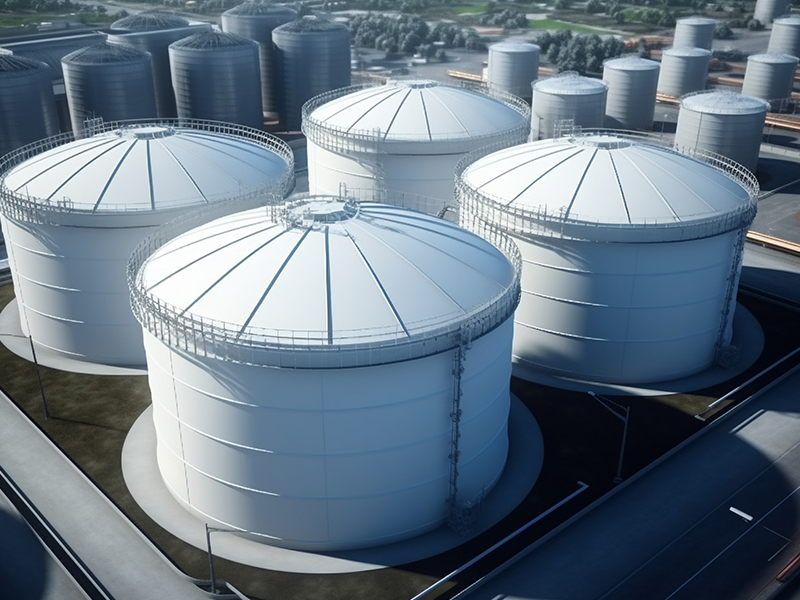
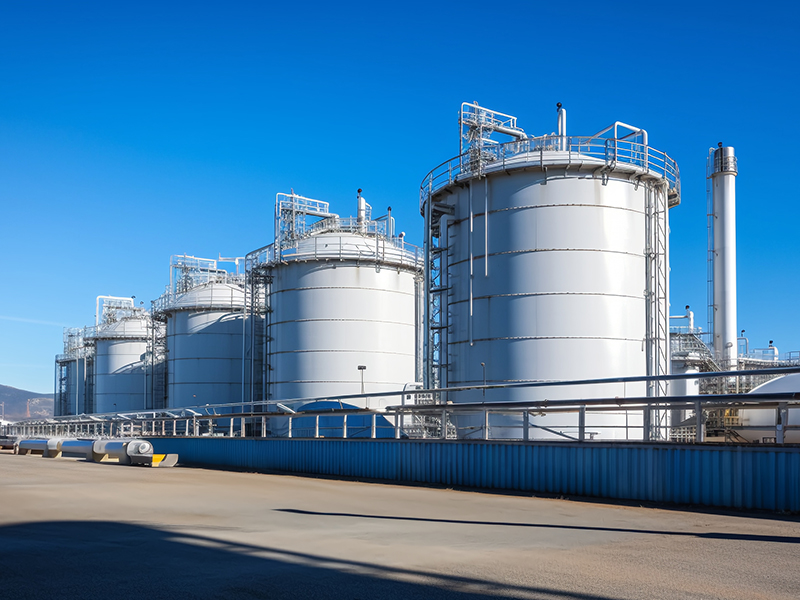
Gas holders / oil tank exteriors | HR-2200 silver topcoat | Weather resistance, reflective heat insulation |
Concrete surfaces / pools | HR-3100 + specialized sealing primer | Strong adhesion, mildew resistance |
Power plant / steel mill buildings | HR-2200 / HR-3100 | Atmospheric environment, cost-performance balance |
Container exteriors | Not recommended | High abrasion resistance required, choose epoxy or polyurethane |
Tank interiors / chemical contact | Not recommended | Choose epoxy or phenolic epoxy |
High-temperature equipment (>60°C) | Not recommended | Choose silicone-based or heat-resistant epoxy |
"Before choosing chlorinated rubber, ask two questions first," summarized Wang Haidong. "First, will it come into contact with benzene-type solvents? Second, will the service temperature exceed 60°C? If the answer is no to both, then you can enter the chlorinated rubber track."
六、The Green Transformation of Chlorinated Rubber
The sustainable development of chlorinated rubber faces more complex challenges than other resins. Huaren is advancing simultaneously in three directions:
6.1 Clean Production Technology
1.Water-based resin: No organic solvents are used during production, eliminating VOCs and carbon tetrachloride risks at the source.
2.Non-carbon tetrachloride solvent method: Environmentally friendly alternative solvents are selected; resin production complies with the Montreal Protocol.
6.2 High Solids Content and Solvent-Free Approach
1.High-solids chlorinated rubber: VOCs reduced by 20–30% compared to conventional products.
2.Solvent-free chlorinated rubber: In the laboratory development stage, active diluents replace organic solvents.
6.3 Emission Reduction via Long-Term Corrosion Protection
Example: A dock steel pile maintenance project (10,000 m²)
1.Conventional solution: Epoxy system, sandblasting to Sa2.5, 4 coats, 10-day schedule.
2.Huaren solution: HR-2200 high-solids chlorinated rubber, manual rust removal to St3 allowed, 2 coats, 4-day schedule.
3.Full lifecycle (15 years):
Epoxy solution: High equipment downtime, high scaffolding rental
Huaren solution: Downtime reduced by 60%, overall cost decreased by 35%
Carbon emissions: ~28% lower than epoxy solution (calculated from reduced energy consumption and transport)
"The biggest sustainability advantage of chlorinated rubber is maintenance convenience," emphasized Huaren Sustainability Officer Chen Lixin. "No need to fully remove old coatings, no strict sandblasting required—meaning less energy use, less waste, and shorter downtime. In the existing maintenance market, this advantage is becoming increasingly important."
七、 Conclusion: The Next Chapter for Chlorinated Rubber
The 80-year evolution of chlorinated rubber has been a journey from “king of corrosion protection” to a “specialist steadfast guard.”
First generation: Solvent-based chlorinated rubber, establishing core strengths of moisture barrier and ease of application.
Second generation: Eco-friendly production technologies, addressing the carbon tetrachloride issue.
Third generation: High-solids content + composite modification, breaking through thickness and performance limitations.
Fourth generation: Water-based chlorinated rubber (in development), meeting higher environmental standards.
Huaren’s approach: Do not mythologize chlorinated rubber, but do not abandon it. Its moisture resistance and ease of application are inherent strengths; its temperature and solvent resistance are limitations. Our mission is to enhance performance through modification, improve efficiency with high-solids formulations, and respond to the times with eco-friendly production.
When a dock steel pile immersed in seawater for twenty years still requires no major repairs, when a gas holder in a chemical plant stands with coating intact, or when a steel-structure facility completes winter maintenance quickly—the chlorinated rubber coatings adhering to these surfaces silently prove: this 80-year-old “veteran” still holds its ground.
Huaren Technical Center
Technical Consultation: sales09@gd-huaren.net
