![In-Depth Report] The Persistence and Transformation of Chlorinated Rubber Coatings](https://img.waimaoniu.net/1713/1713-202603231412370269.jpg?x-oss-process=image "In-Depth Report] The Persistence and Transformation of Chlorinated Rubber Coatings")
03-23/2026
News
![In-Depth Report] The Persistence and Transformation of Chlorinated Rubber Coatings](data:image/png;base64,iVBORw0KGgoAAAANSUhEUgAAAAEAAAABCAYAAAAfFcSJAAAADUlEQVR42mP4//8/AwAI/AL+eMSysAAAAABJRU5ErkJggg== "In-Depth Report] The Persistence and Transformation of Chlorinated Rubber Coatings")
- 07-03/2025Generally speaking, the recommended application rate of liquid rubber paint is about 1 gallon can cover about 30 to 40 square feet (this is usually for a single coat). Therefore, 5 gallons of liquid rubber paint can cover an area of about 150 to 200 square feet.
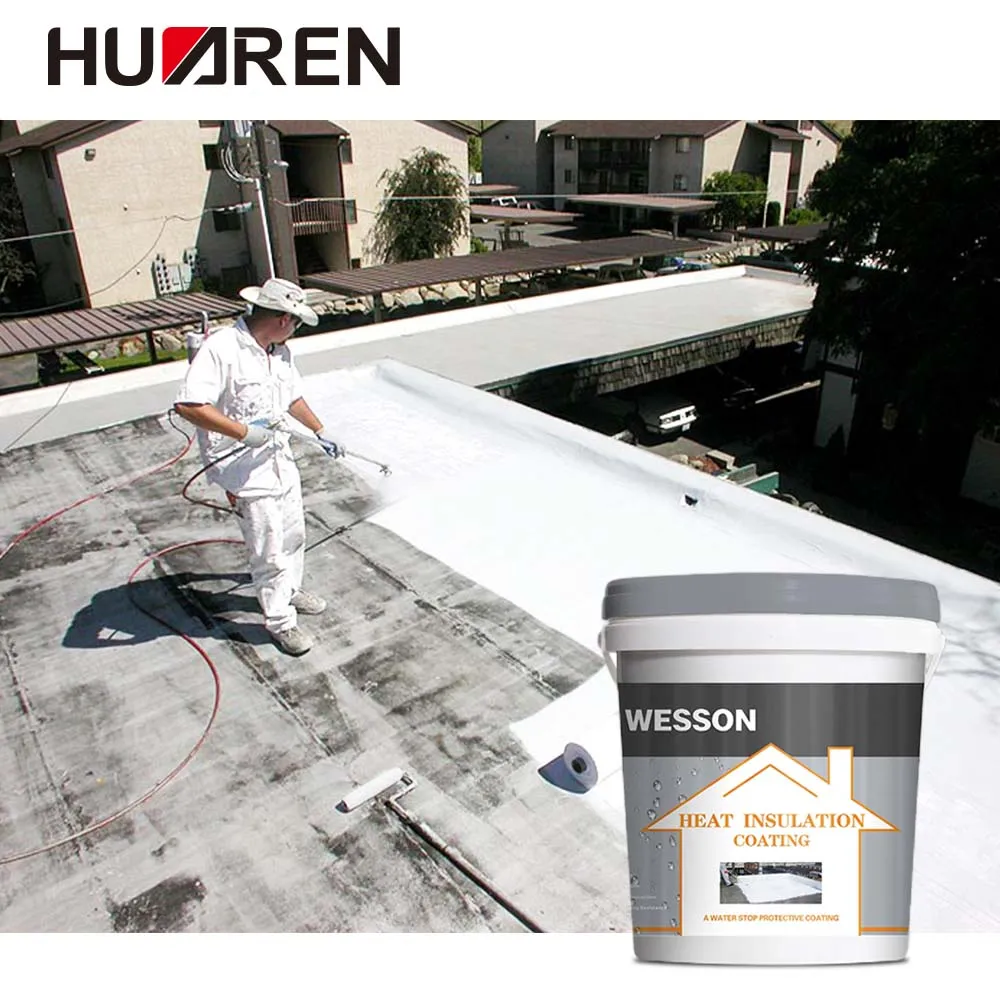
- 02-19/2025The role of heat-resistant paint is not just to reflect light, its main function is to resist high temperatures, slow down heat transfer, and maintain its physical properties at extreme temperatures. Therefore, the color of heat-resistant paint (such as black) is more due to physical and chemical stability, thermal radiation efficiency, and material performance considerations rather than simple optical reflection.
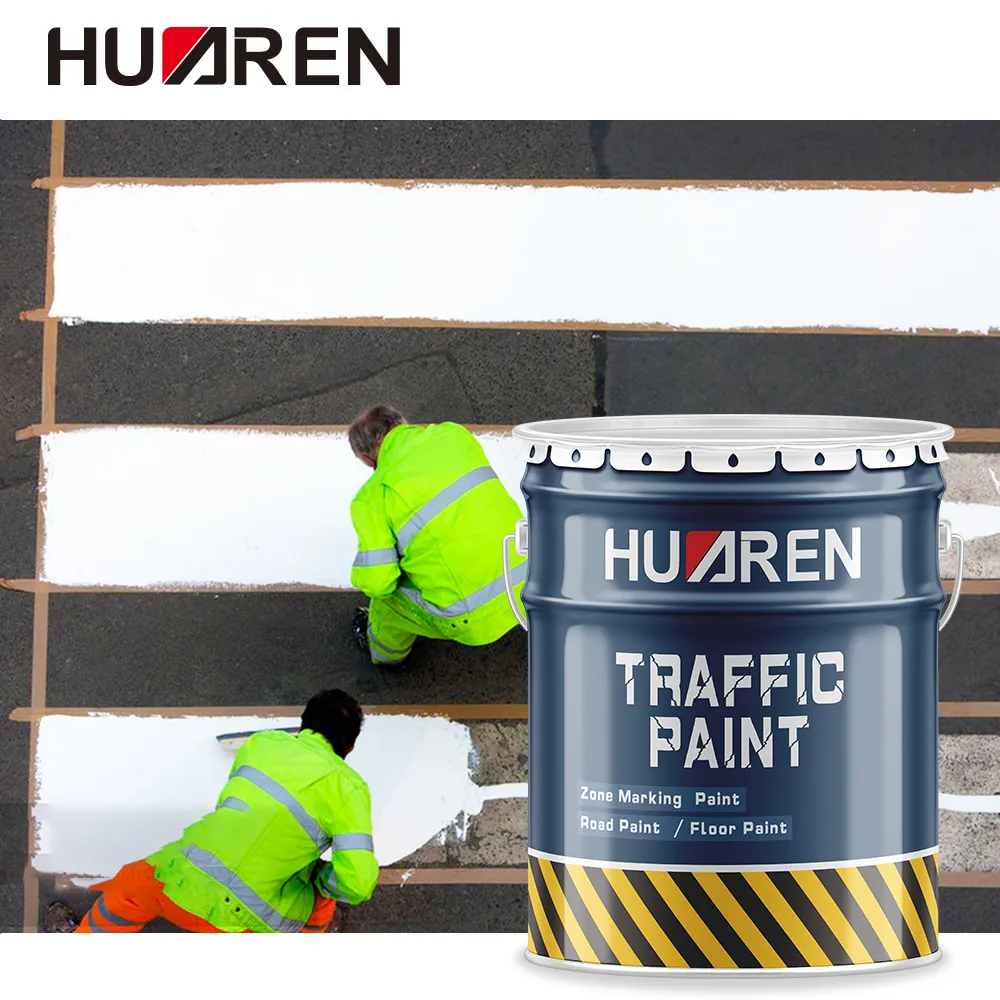
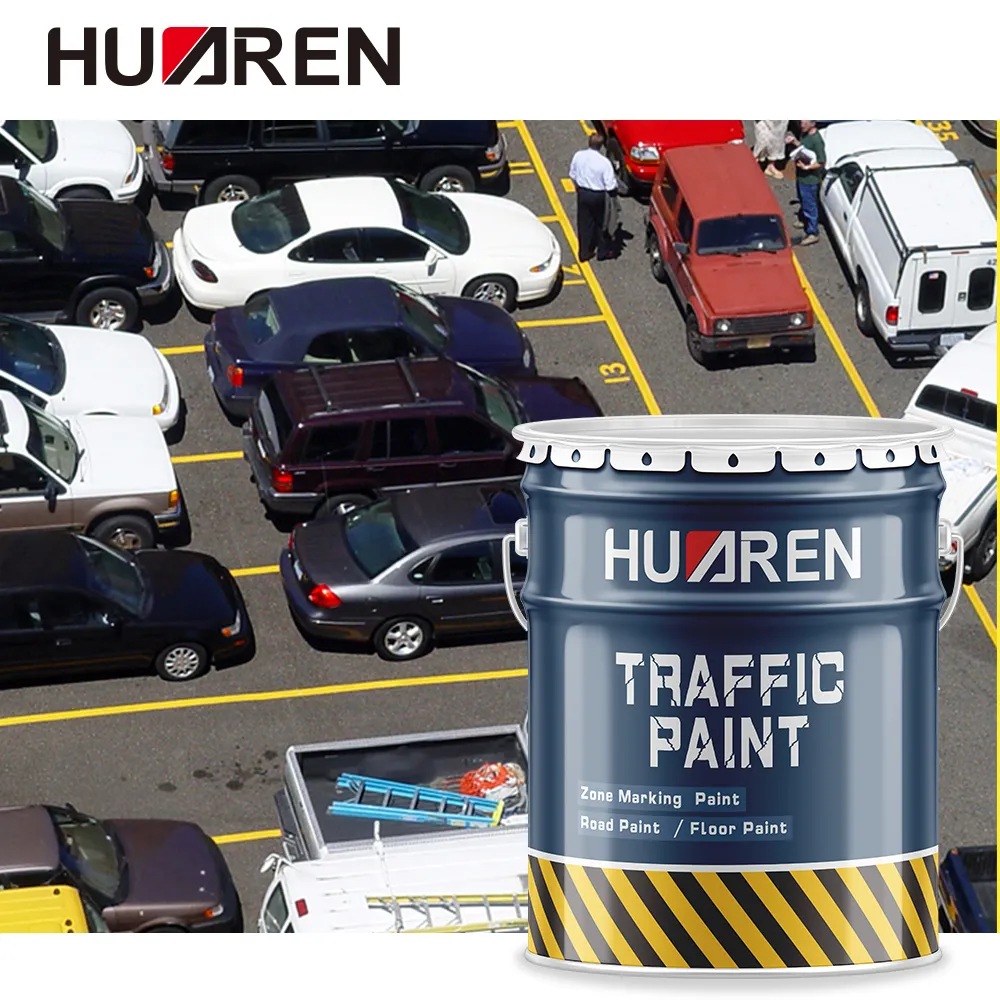
- 02-17/2025The 8 steps for applying striping paint: 1. Planning and design, 2. Material and equipment preparation, 3. Cleaning and preparing the construction surface, 4. Laying out lines and marking, 5. Applying striping paint, 6. Drying and curing, 7. Cleaning and inspection, 8. Opening traffic.
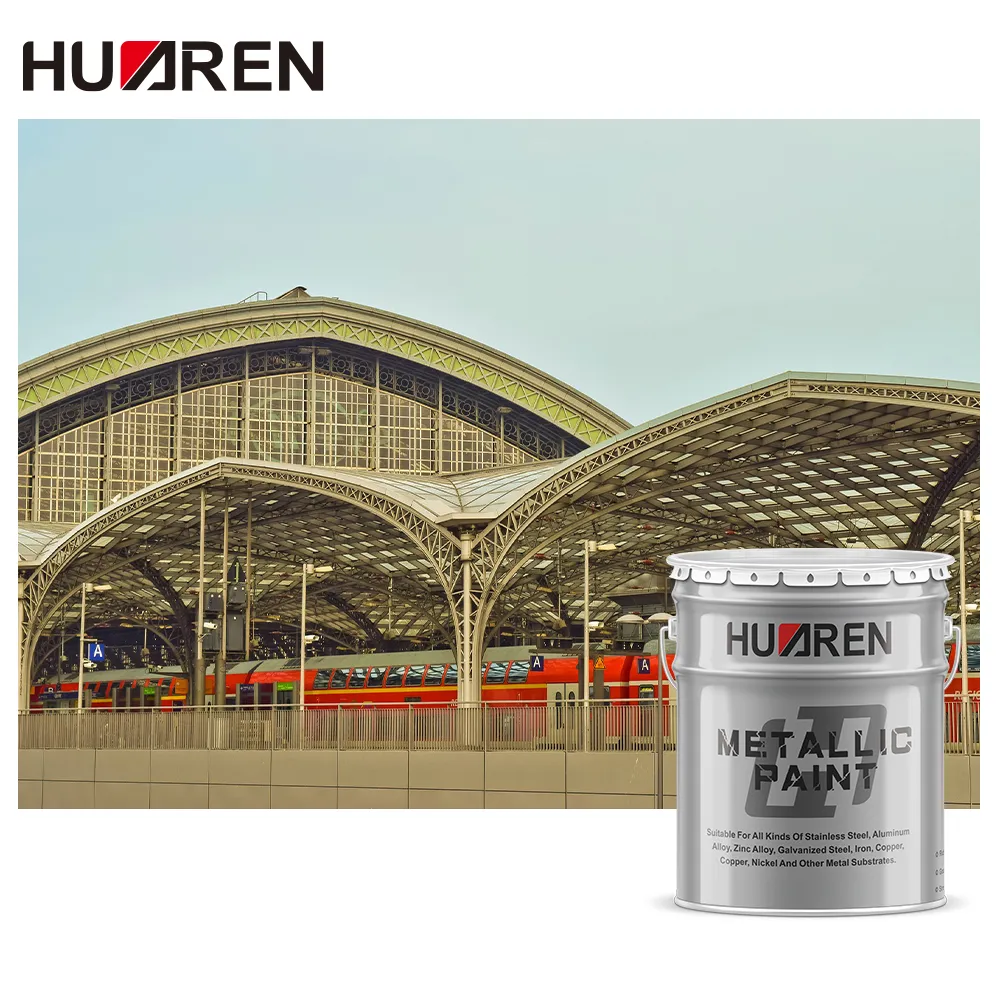
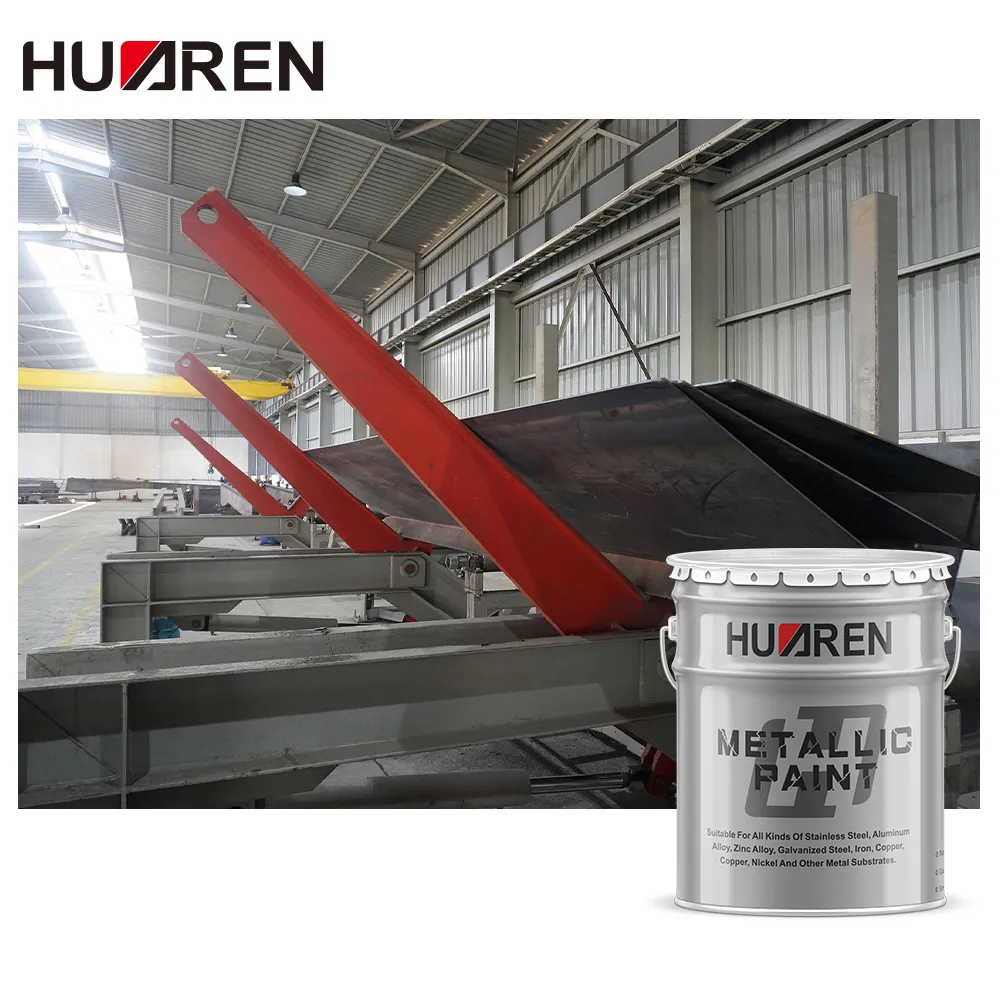
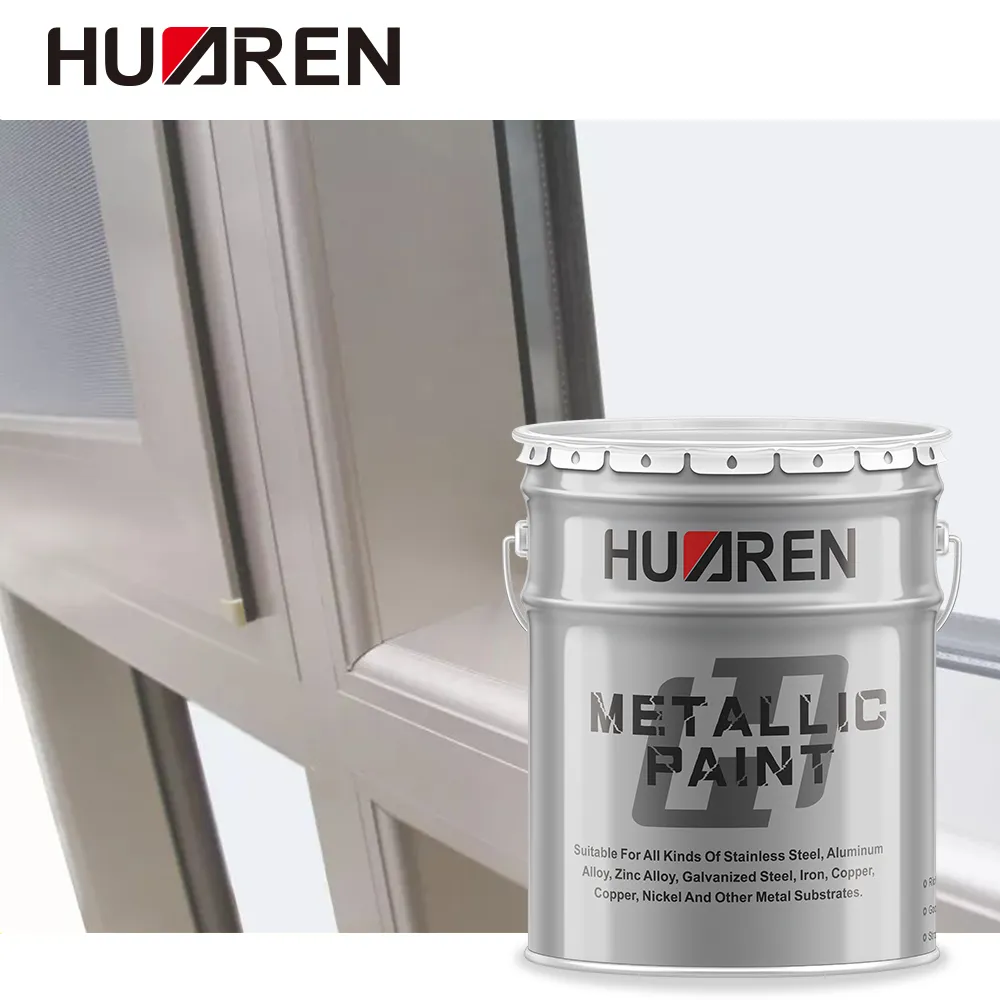
- 01-27/2025Depending on the coating requirements and the protection needs of the metal surface, the dry film thickness of water-based metallic paint is usually between 25-80 microns. The recommended coating thickness for most standard products is around 50 microns.
- 01-01/2025The formula design of the epoxy primer determines its original viscosity. If the product has a high viscosity when it leaves the factory, direct use may cause difficulty in brushing or spraying. At this time, adding an appropriate amount of diluent can reduce the viscosity and improve construction performance.
- 12-26/2024As early as the 1950s, some states and cities in the United States began to realize the hazards of lead paint and took preliminary restrictive measures. For example, Chicago and New York City began to restrict the use of lead paint in residences in the late 1950s. However, these measures had limited impact nationwide.
- 12-23/2024Liquid rubber paint can form a continuous, seamless coating during construction. This seamless design can eliminate the potential leakage risks caused by the presence of seams in traditional roof coatings.
- 12-18/2024Commonly used protective paint coatings: 1. Epoxy resin paint, 2. Polyurethane paint, 3. Alkyd resin paint, 4. Acrylic paint, 5. Chlorinated rubber paint, 6. Zinc powder paint, 7. Silicate paint.
- 12-16/2024Drying agent is an additive commonly used to speed up the drying speed of paint, especially in oil-based paints and industrial coatings. Drying agents speed up the hardening process by accelerating oxidation or polymerization reactions in paint.